Making pizza at home starts with one essential element: the dough. The best pizza dough recipe creates a soft, chewy crust with a crispy exterior and rich flavor that rivals your favorite pizzeria. Whether you love thin crust, chewy New York–style pizza, or a slightly thick and fluffy base, mastering a good dough recipe is the key to delicious homemade pizza.
In this guide, you will learn everything you need to know about making the best pizza dough from scratch, including ingredients, step-by-step instructions, tips for perfect texture, and variations you can try at home.

Why This Is the Best Pizza Dough Recipe
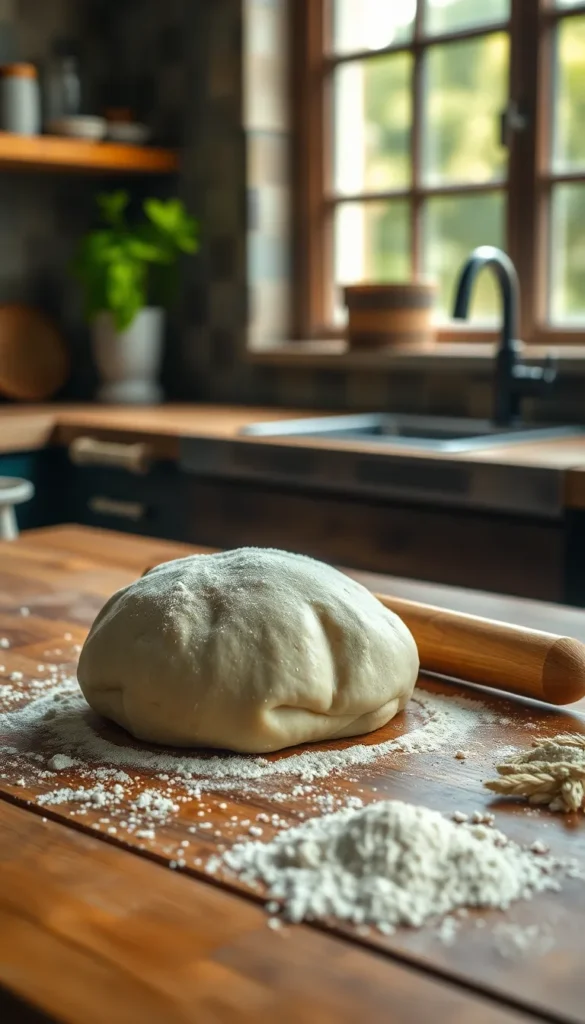
A great pizza dough should be simple, flavorful, and easy to work with. This recipe uses just a few pantry ingredients, but the technique ensures amazing results every time.
What makes this dough special:
- Uses basic ingredients found in most kitchens
- Creates a crispy outside with a chewy interior
- Works for thin crust, thick crust, or pan pizza
- Can be made the same day or fermented overnight for better flavor
- Freezer-friendly and perfect for meal prep
With a little patience and the right technique, anyone can create restaurant-quality pizza dough at home.
Ingredients for the Best Pizza Dough Recipe
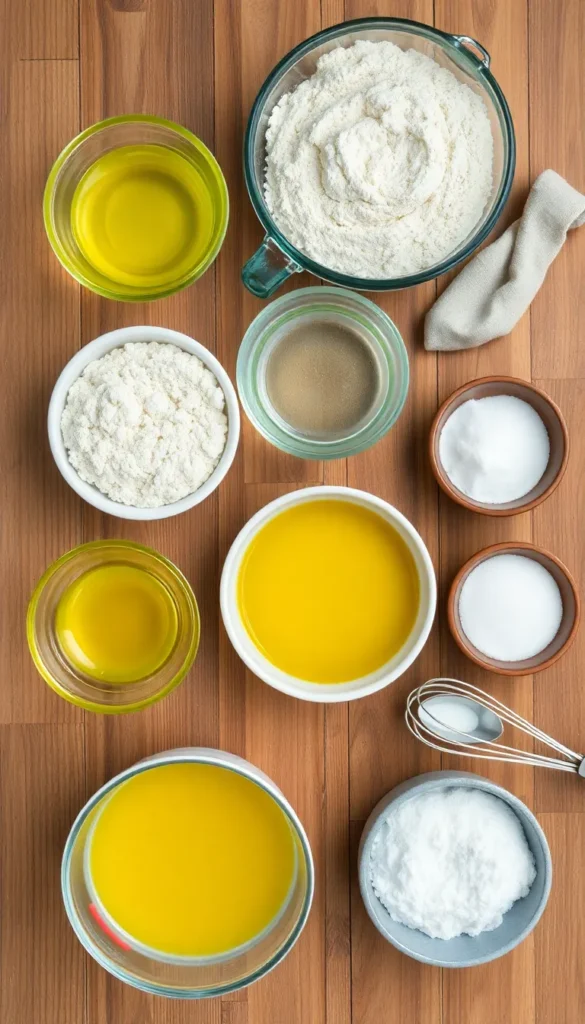
Here are the simple ingredients you will need:
Ingredients
- 3 ½ cups all-purpose flour (or bread flour for chewier crust)
- 1 ¼ cups warm water (about 40–43°C / 105–110°F)
- 2 ¼ teaspoons active dry yeast (1 packet)
- 2 tablespoons olive oil
- 1 teaspoon sugar or honey
- 1 teaspoon salt
Optional for flavor
- 1 teaspoon garlic powder
- ½ teaspoon Italian seasoning
These ingredients work together to create a balanced dough with great structure and flavor.
Step-by-Step Best Pizza Dough Recipe
Follow these steps to create the perfect pizza dough.
Step 1: Activate the Yeast
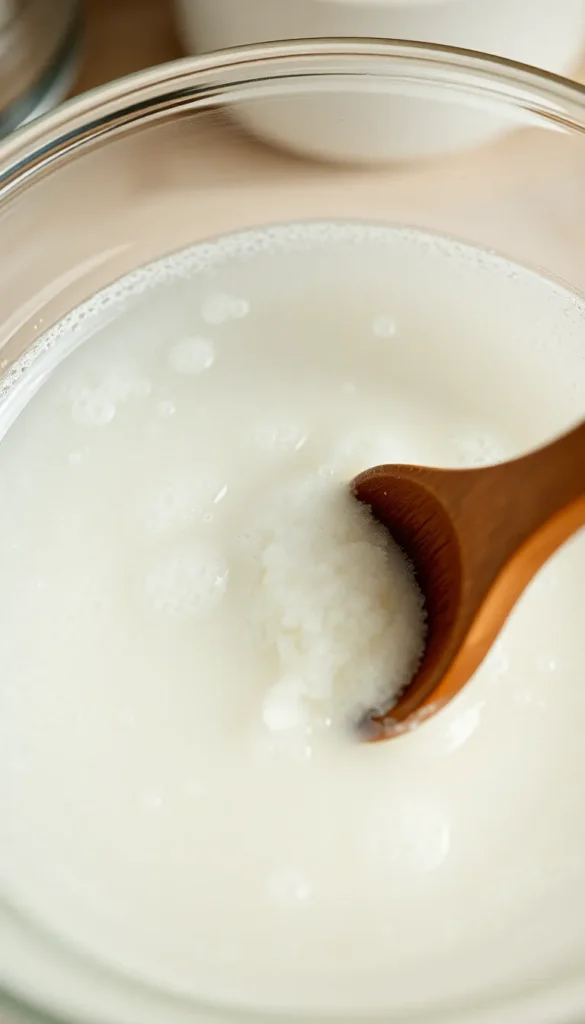
In a small bowl, combine warm water, sugar, and yeast. Stir gently and let it sit for 5–10 minutes.
The mixture should become foamy and bubbly, which means the yeast is active.
Step 2: Mix the Dough
In a large mixing bowl, combine:
- Flour
- Salt
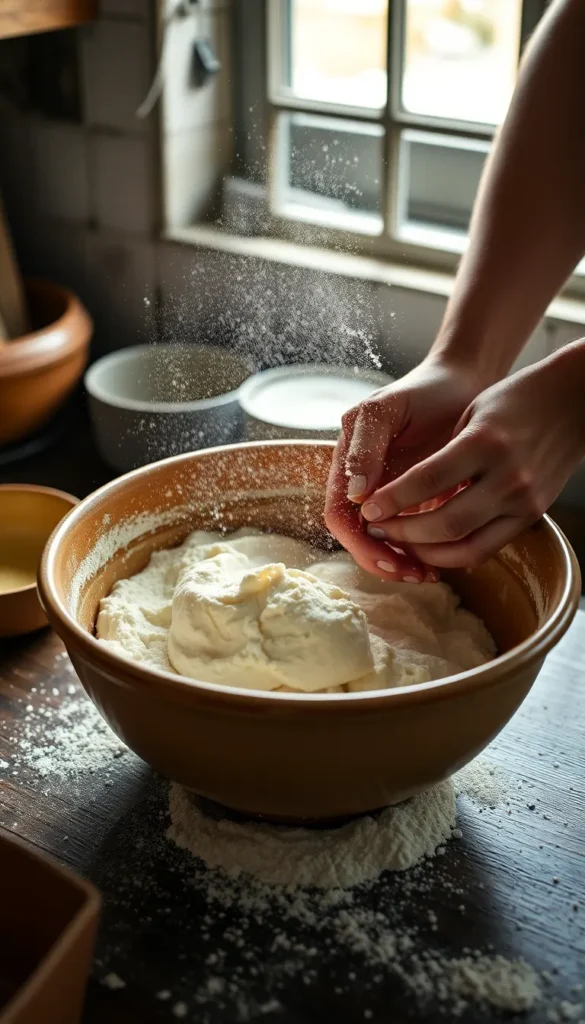
Add the yeast mixture and olive oil to the flour. Stir using a spoon or your hands until the dough begins to form.
Step 3: Knead the Dough
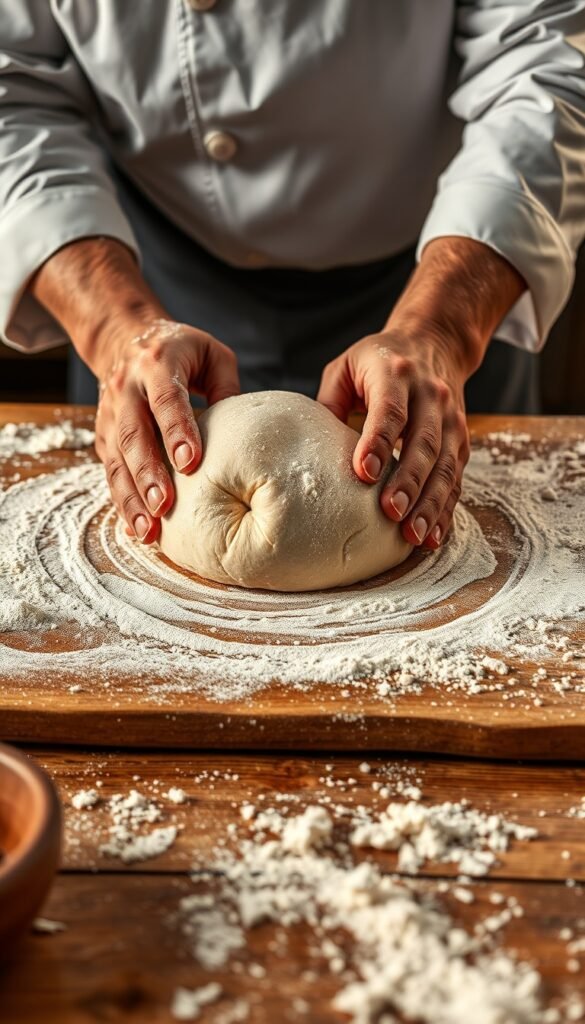
Transfer the dough onto a lightly floured surface.
Knead for 8–10 minutes until the dough becomes:
- Smooth
- Elastic
- Slightly tacky but not sticky
If the dough sticks too much, add a small amount of flour.
Step 4: First Rise
Place the dough in a lightly oiled bowl and cover it with a towel or plastic wrap.
Let it rise in a warm place for 1 to 2 hours, or until it doubles in size.
Step 5: Divide the Dough
Punch down the dough to release air bubbles.
Divide into 2 equal portions for medium pizzas or keep whole for a large pizza.
Shape each portion into a ball and let it rest for 15–20 minutes.
Step 6: Shape the Pizza
On a floured surface, roll or stretch the dough into your desired pizza shape.
For best results:
- Stretch the dough with your hands
- Keep the center thin and the edges slightly thicker
Step 7: Add Toppings and Bake
Preheat your oven to 250°C (480°F) or as hot as possible.
Add your favorite toppings such as:
- Tomato sauce
- Mozzarella cheese
- Pepperoni
- Vegetables
Bake for 10–15 minutes until the crust is golden brown and the cheese is bubbling.
Tips for Making the Best Pizza Dough
Even a simple recipe can become amazing with the right techniques.
Use Bread Flour for Chewier Texture
Bread flour contains more protein, which creates stronger gluten. This results in a chewier and more elastic crust.
Let the Dough Ferment Overnight
For a deeper flavor, let the dough rest in the refrigerator for 24 hours.
Slow fermentation improves:
- Flavor
- Texture
- Digestibility
Simply cover the dough tightly and refrigerate after kneading.
Bake Pizza on a Hot Surface
Use one of these for the best crust:
- Pizza stone
- Baking steel
- Cast iron pan
Preheat the surface for at least 30 minutes before baking.
Avoid Too Many Toppings
Overloading pizza can make the dough soggy.
Stick to 2–4 toppings for the best results.
Thin Crust Variation
If you prefer crispy thin pizza:
- Divide the dough into 3 portions instead of 2
- Roll the dough thinner
- Bake at very high heat
This produces a crispy, cracker-like crust.
Thick Crust or Pan Pizza Variation
For a soft and fluffy pizza base:
- Grease a cast-iron skillet or baking pan
- Press the dough into the pan
- Let it rise again for 20–30 minutes
Bake as usual for a thicker, airy crust.
Whole Wheat Pizza Dough Option
For a healthier version, replace part of the flour:
- 2 cups all-purpose flour
- 1 ½ cups whole wheat flour
You may need slightly more water because whole wheat absorbs more moisture.
This version adds:
- More fiber
- A nutty flavor
- A heartier texture
How to Store Pizza Dough
Pizza dough stores very well, making it great for meal prep.
Refrigerator
Store dough in an airtight container for up to 3 days.
Let it sit at room temperature for 30 minutes before using.
Freezer
To freeze pizza dough:
- Divide into portions
- Wrap tightly in plastic wrap
- Place in a freezer bag
It will last for up to 3 months.
To use, thaw overnight in the refrigerator.
Best Pizza Topping Ideas
Once you have the best pizza dough recipe, the topping options are endless.
Classic toppings
- Pepperoni and mozzarella
- Margherita (tomato, mozzarella, basil)
- Mushroom and olives
Gourmet toppings
- BBQ chicken and red onions
- Spinach and feta
- Prosciutto and arugula
Vegetarian options
- Roasted vegetables
- Pesto and cherry tomatoes
- Ricotta and spinach
Common Pizza Dough Mistakes
Avoid these common mistakes when making pizza dough.
Using water that is too hot
Hot water can kill the yeast. Always use warm water.
Not kneading enough
Proper kneading develops gluten, which gives the dough structure.
Skipping the resting time
Resting allows the dough to relax, making it easier to stretch.
Adding too much flour
Too much flour makes the crust dense and dry.
Why Homemade Pizza Dough Is Better
Making pizza dough at home offers several advantages.
Better flavor
Fresh dough has a richer, more natural taste.
No preservatives
You control every ingredient.
Customizable texture
You can make thin, thick, chewy, or crispy pizza.
Cost effective
Homemade pizza dough costs only a fraction of store-bought versions.
Final Thoughts
This best pizza dough recipe is simple, reliable, and perfect for beginners or experienced home cooks. With just a few basic ingredients and the right technique, you can create pizza that tastes better than many restaurant versions.
Once you master the dough, you can experiment with different styles, toppings, and baking methods to create your own signature pizza at home.