Baked Cauliflower
Description
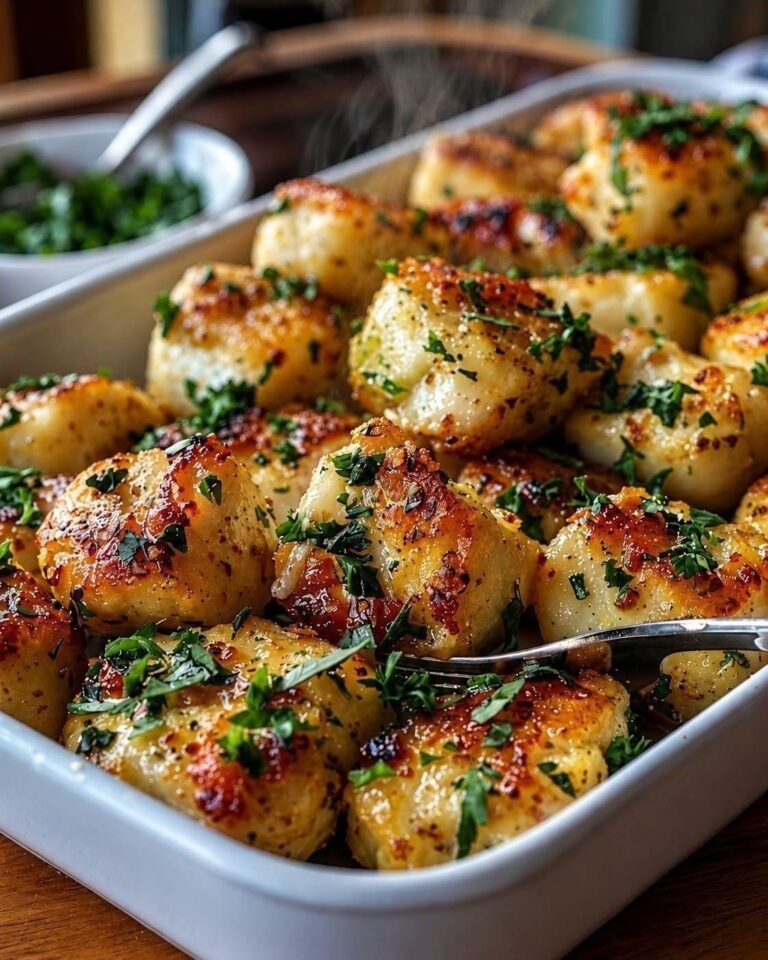
Baked cauliflower is one of the easiest ways to turn a simple head of cauliflower into a flavorful, golden, crispy, and satisfying dish. When cauliflower is roasted at a high temperature, the edges become beautifully caramelized while the inside stays tender. A simple combination of olive oil, Parmesan cheese, garlic, paprika, Italian seasoning, salt, and black pepper gives every bite a delicious savory flavor.
This recipe is perfect when you want an easy vegetable side dish without spending a lot of time in the kitchen. It pairs wonderfully with grilled chicken, roasted turkey, salmon, steak, shrimp, or pasta, but it is also satisfying enough to enjoy as a light meatless meal.
The best part is that baked cauliflower requires only a few basic ingredients and minimal preparation. There is no complicated sauce and no special cooking equipment required. Simply season the cauliflower, spread it on a baking sheet, and let the oven do the work.
If you are looking for a simple way to eat more vegetables, this recipe is a great place to start. The roasted cauliflower develops a rich, slightly nutty flavor that makes it much more exciting than steamed or boiled cauliflower.
Baked Cauliflower Ingredients
• 1 large head of cauliflower, cut into bite-size florets
• 3 tablespoons olive oil
• 3 tablespoons grated Parmesan cheese
• 1 teaspoon garlic powder
• 1 teaspoon paprika
• ½ teaspoon onion powder
• ½ teaspoon Italian seasoning
• ½ teaspoon salt
• ¼ teaspoon black pepper
• ½ teaspoon red pepper flakes, optional
• 2 tablespoons fresh parsley, chopped
• 1 tablespoon fresh lemon juice
Instructions
Step 1: Prepare the Cauliflower
Preheat your oven to 425°F (220°C). Line a large baking sheet with parchment paper or lightly coat it with cooking spray.
Cut the cauliflower into evenly sized florets. Try to keep the pieces relatively similar in size so they cook at approximately the same rate.
Wash the cauliflower and dry it very thoroughly. Excess moisture can cause the cauliflower to steam instead of roast, which means you may not get those delicious crispy and browned edges.
Step 2: Season the Cauliflower
Place the dry cauliflower florets into a large mixing bowl.
Add the olive oil, Parmesan cheese, garlic powder, paprika, onion powder, Italian seasoning, salt, black pepper, and optional red pepper flakes.
Toss everything together until the cauliflower is evenly coated with the seasoning mixture.
Make sure the seasoning reaches as many surfaces of the cauliflower as possible. This helps create flavorful, golden edges as the cauliflower roasts.
Step 3: Arrange on the Baking Sheet
Transfer the seasoned cauliflower to the prepared baking sheet.
Spread the florets into a single layer. Try not to overcrowd the pan.
Leaving space between the pieces allows hot air to circulate around the cauliflower, helping it roast and brown instead of becoming soft and watery.
If you are making a large batch, it is better to use two baking sheets rather than crowding everything onto one.
Step 4: Bake
Place the baking sheet in the preheated oven and bake for approximately 25–30 minutes.
After about 15 minutes, carefully turn or toss the cauliflower so that multiple sides have a chance to brown.
Continue baking until the cauliflower is tender inside and golden brown around the edges.
For extra crispy edges, you can turn on the broiler for the final 1–2 minutes. Watch it carefully because Parmesan can brown quickly.
Step 5: Finish and Serve
Remove the cauliflower from the oven.
Sprinkle the freshly chopped parsley over the top and drizzle with fresh lemon juice.
The lemon juice adds a bright, fresh flavor that balances the savory Parmesan and roasted spices.
Serve immediately while the cauliflower is hot and crispy.
Notes
The size of your cauliflower florets will affect the cooking time. Smaller florets will cook faster, while larger pieces may require additional time.
For the best texture, make sure the cauliflower is completely dry before seasoning it.
Freshly grated Parmesan can provide a richer flavor, but pre-grated Parmesan can also be used for convenience.
If you prefer a dairy-free recipe, simply leave out the Parmesan cheese. You can add nutritional yeast for a savory, cheesy-style flavor.
The red pepper flakes are optional. Leave them out if you prefer a mild recipe.
You can easily adjust the seasonings according to your taste. Add more garlic for a stronger garlic flavor or increase the paprika for a deeper roasted flavor.
Tips for the Best Baked Cauliflower
1. Dry the Cauliflower Well
This is one of the most important tips. Water prevents proper browning. After washing the cauliflower, pat it thoroughly dry with paper towels or allow it to air-dry before seasoning.
2. Don’t Overcrowd the Pan
Give the cauliflower plenty of room. When the florets are packed tightly together, they release steam and can become soft instead of crispy.
3. Use High Heat
Roasting at 425°F helps caramelize the cauliflower and creates beautifully browned edges.
4. Cut the Florets Evenly
Try to keep the florets approximately the same size. This helps them cook evenly.
5. Turn Halfway Through
Turning the cauliflower around the halfway point allows multiple sides to become golden and crispy.
6. Add Lemon at the End
Don’t add the lemon juice before baking. Adding it after roasting keeps the flavor bright and fresh.
7. Watch the Broiler
If you want extra browning, broil for only 1–2 minutes and keep a close eye on the cauliflower.
8. Serve Immediately
Baked cauliflower has the best texture immediately after roasting. It can soften as it sits, especially if covered.
Serving Suggestions
Baked cauliflower is incredibly versatile and can be served with almost any main course.
Serve it alongside grilled chicken for an easy weeknight dinner.
Pair it with baked salmon, shrimp, or other seafood for a light and flavorful meal.
It also works beautifully with steak, turkey, roasted chicken, or pork.
For a vegetarian meal, serve the cauliflower with quinoa, brown rice, chickpeas, lentils, or a fresh green salad.
You can also place the roasted cauliflower into a bowl and top it with Greek yogurt, fresh herbs, avocado, or a drizzle of tahini sauce.
Variations
Cheesy Baked Cauliflower
Add extra Parmesan during the final few minutes of baking for a stronger cheesy crust.
Spicy Baked Cauliflower
Increase the red pepper flakes or add a pinch of cayenne pepper for extra heat.
Lemon Garlic Cauliflower
Increase the garlic powder and finish the roasted cauliflower with additional fresh lemon juice and lemon zest.
Mediterranean-Style Cauliflower
Add oregano, parsley, crumbled feta, and a small drizzle of extra-virgin olive oil after baking.
Herb-Roasted Cauliflower
Use a combination of dried oregano, thyme, rosemary, and parsley for a more herb-forward flavor.
Storage
Allow leftover cauliflower to cool before placing it in an airtight container.
Store it in the refrigerator for up to 3–4 days.
For the best texture, reheat it in an oven or air fryer rather than the microwave. Reheating at approximately 375°F can help restore some of the crispiness.
The microwave is convenient, but it may make the cauliflower softer.
Servings
Serves: 4
Prep Time: 10 minutes
Cook Time: 25–30 minutes
Total Time: Approximately 40 minutes
Nutritional Information
Approximate nutrition per serving:
Calories: 155
Protein: 6 g
Carbohydrates: 10 g
Fiber: 4 g
Net Carbohydrates: 6 g
Fat: 11 g
Saturated Fat: 2 g
Sugar: 4 g
Sodium: 390 mg
Nutritional values are estimates and can vary depending on the exact ingredients and brands used.
Benefits of Baked Cauliflower
Cauliflower is a nutritious cruciferous vegetable that provides fiber, vitamins, minerals, and beneficial plant compounds.
High in Fiber
Cauliflower provides dietary fiber, which can help support healthy digestion and contribute to feelings of fullness.
A Source of Vitamin C
Cauliflower naturally contains vitamin C, an important nutrient that supports normal immune function and helps protect cells from oxidative stress.
Naturally Lower in Carbohydrates
Compared with many traditional starchy side dishes, cauliflower is relatively low in carbohydrates, making it a popular choice for people looking for lighter vegetable-based meals.
Helps Add More Vegetables to Your Diet
One of the easiest ways to improve the nutritional variety of your meals is to include more vegetables. Roasting cauliflower makes it flavorful enough to become a dish you actually look forward to eating.
Provides Important Plant Compounds
As a cruciferous vegetable, cauliflower contains naturally occurring plant compounds that contribute to its nutritional value.
Frequently Asked Questions
Can I use frozen cauliflower?
Yes. Frozen cauliflower can be used, although fresh cauliflower generally provides a better roasted texture. If using frozen cauliflower, avoid thawing it completely if possible and give the pieces enough space on the baking sheet.
Why is my cauliflower not crispy?
The most common reasons are excess moisture, overcrowding the baking sheet, or using a temperature that is too low. Make sure the cauliflower is dry and spread it into a single layer.
Can I make this recipe without Parmesan?
Absolutely. Parmesan adds savory flavor and helps with browning, but it is not essential. You can omit it or replace it with nutritional yeast for a dairy-free option.
Can I prepare the cauliflower ahead of time?
Yes. You can cut the cauliflower and prepare the seasoning mixture several hours ahead. Store the prepared cauliflower in the refrigerator and season just before roasting for the best texture.
Can I make baked cauliflower in an air fryer?
Yes. Air frying works very well. Toss the cauliflower with the seasonings and cook at approximately 375–400°F, shaking the basket periodically, until the florets are tender and browned.
Is baked cauliflower good for meal prep?
Yes. It can be prepared ahead and stored in the refrigerator for several days. For the best texture, reheat it in an oven, toaster oven, or air fryer.
Can I make this recipe spicy?
Yes. Add red pepper flakes, cayenne pepper, chili powder, or your favorite hot seasoning.
What can I serve with Baked Cauliflower?
It pairs well with chicken, salmon, shrimp, steak, turkey, roasted meats, rice, quinoa, lentils, chickpeas, and fresh salads.
How do I make it extra crispy?
Dry the cauliflower completely, don’t overcrowd the pan, use high heat, toss halfway through cooking, and finish under the broiler for 1–2 minutes if desired.
Can I use fresh garlic instead of garlic powder?
Yes. Minced fresh garlic can be used, but add it carefully because garlic can burn at high temperatures. You can also add fresh garlic during the final portion of roasting.
Final Thoughts
This Baked Cauliflower recipe proves that simple vegetables can be incredibly delicious. High-temperature roasting brings out the cauliflower’s natural sweetness while creating golden, caramelized edges. Parmesan, garlic, paprika, Italian seasoning, and lemon add layers of flavor without requiring a complicated sauce.
Whether you are looking for a quick weeknight side dish, a vegetarian option, a lower-carbohydrate vegetable recipe, or an easy way to make cauliflower more exciting, this recipe is worth saving.
Serve it hot, finish it with fresh parsley and lemon, and enjoy a simple vegetable dish that can easily become a family favorite.