If you’re searching for the perfect hollandaise sauce recipe, you’re in the right place. This classic French sauce is rich, buttery, silky-smooth, and surprisingly easy to make at home when you understand the technique. Traditionally served with Eggs Benedict, asparagus, salmon, and vegetables, hollandaise sauce instantly elevates any dish into a restaurant-quality experience.
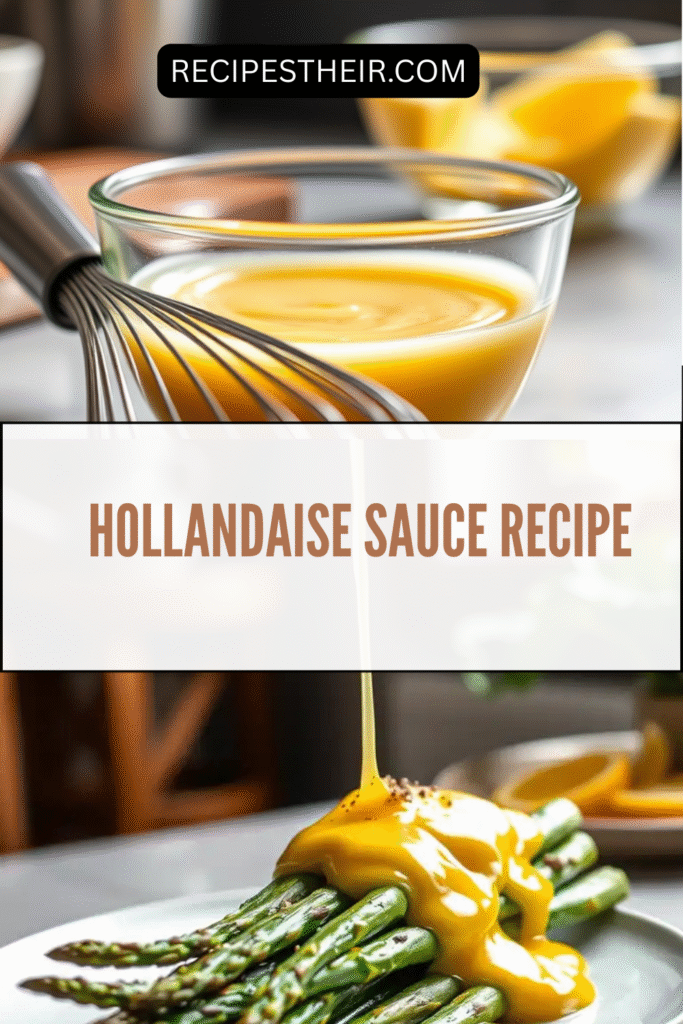
What Is Hollandaise Sauce?
Hollandaise sauce is one of the five French “mother sauces.” It’s an emulsion made from egg yolks, melted butter, and acid (usually lemon juice or vinegar). The result is a smooth, creamy sauce with a luxurious texture and tangy, buttery flavor.
Unlike gravy or cheese sauces, hollandaise relies on gentle heat and whisking rather than flour or starch. When done right, it’s velvety and glossy. When rushed, it can split. The good news? With the right method, it’s completely manageable—even for beginners.
Why This Is the Best Hollandaise Sauce Recipe

This hollandaise sauce recipe is:
- Classic and authentic
- Tested and reliable
- Made with simple ingredients
- Ready in under 15 minutes
- Easy to adjust for taste and thickness
Whether you’re making brunch at home or hosting guests, this recipe gives consistent results every time.
Ingredients for Hollandaise Sauce Recipe
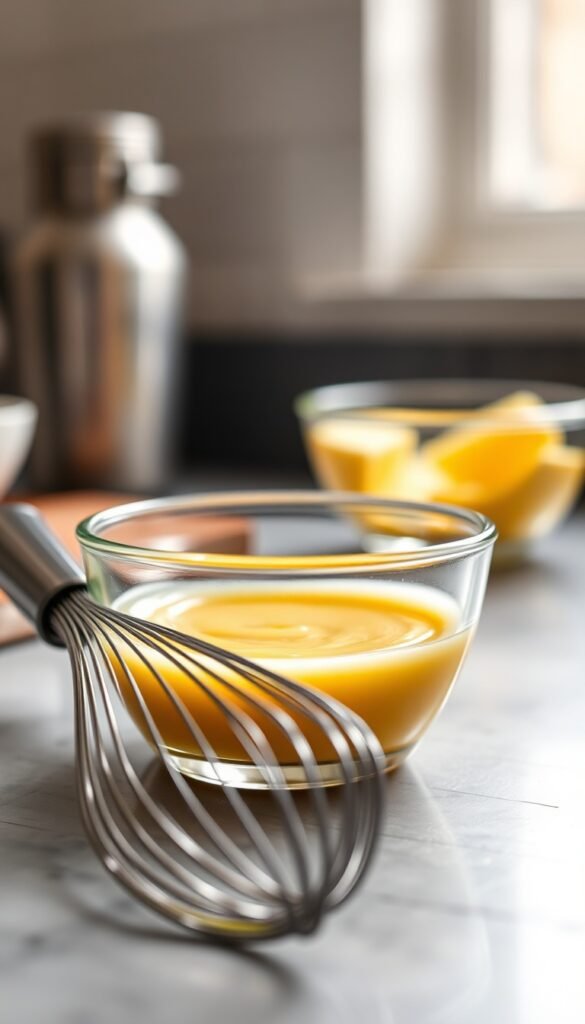
Before you start, gather everything. Hollandaise moves quickly once you begin.
Ingredients
- 3 large egg yolks (room temperature)
- 1 tablespoon fresh lemon juice (plus more to taste)
- 1 teaspoon water
- ½ cup (115 g) unsalted butter
- ¼ teaspoon salt (or to taste)
- Pinch of cayenne pepper or white pepper (optional)
Complete Hollandaise Sauce Recipe (Step-by-Step)
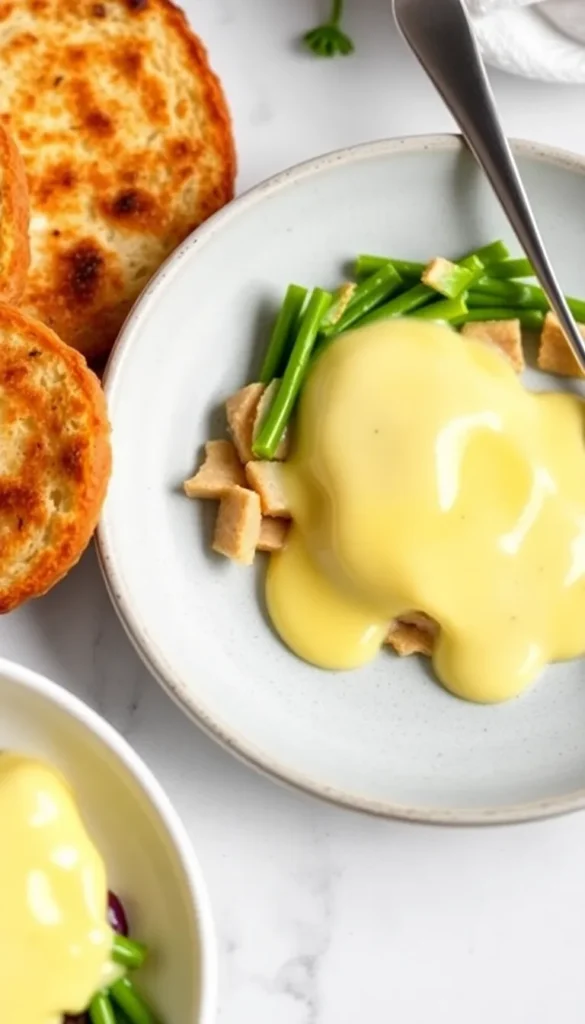
Step 1: Melt the Butter
Cut the butter into pieces and melt it slowly over low heat. Once melted, keep it warm but not boiling. If it’s too hot, it can scramble the eggs later.
Tip: You can skim off the milk solids for a clearer, more traditional sauce, but this recipe works well with whole melted butter.
Step 2: Prepare a Double Boiler
Fill a saucepan with about 1–2 inches of water and bring it to a gentle simmer. Place a heatproof bowl on top, ensuring the bowl doesn’t touch the water.
This indirect heat is key to preventing the eggs from curdling.
Step 3: Whisk Egg Yolks
In the bowl, whisk together:
- Egg yolks
- Lemon juice
- Water
Whisk constantly for about 1–2 minutes until the mixture becomes pale and slightly thickened.
Step 4: Cook the Yolks Gently
Place the bowl over the simmering water. Continue whisking constantly. The mixture will slowly thicken and become creamy. If it gets too hot, remove the bowl from heat briefly and keep whisking.
You’re looking for a texture that coats the back of a spoon.
Step 5: Slowly Add Butter
Remove the bowl from heat. While whisking continuously, slowly drizzle in the warm melted butter. Start with a few drops at a time, then gradually increase to a thin stream.
This slow addition is what creates the smooth emulsion.
Step 6: Season and Adjust
Whisk in:
- Salt
- Cayenne or white pepper (optional)
Taste and adjust:
- More lemon juice for brightness
- A teaspoon of warm water if it’s too thick
Your hollandaise sauce should be silky, glossy, and pourable.
How to Keep Hollandaise Sauce Warm
Hollandaise sauce is best served fresh, but you can keep it warm for up to 30–45 minutes by:
- Placing it in a warm (not hot) water bath
- Stirring occasionally
Do not reheat directly on the stove or in the microwave, as it can split.
Common Hollandaise Sauce Mistakes (And Fixes)
Sauce Is Too Thick
Whisk in 1 teaspoon of warm water or lemon juice until smooth.
Sauce Is Too Thin
Whisk over gentle heat for 20–30 seconds to help it thicken.
Sauce Has Split
Whisk 1 teaspoon of warm water in a clean bowl, then slowly whisk the broken sauce into it.
Eggs Are Scrambling
Heat is too high. Remove from heat immediately and whisk vigorously.
Hollandaise Sauce Variations
Once you master the classic version, try these easy variations:
Garlic Hollandaise
Add ½ teaspoon garlic powder or roasted garlic paste.
Dijon Hollandaise
Whisk in 1 teaspoon Dijon mustard for extra depth.
Herb Hollandaise
Add finely chopped tarragon, chives, or parsley.
Spicy Hollandaise
Increase cayenne or add a few drops of hot sauce.
What to Serve with Hollandaise Sauce
This versatile sauce pairs beautifully with many dishes:
- Eggs Benedict
- Poached or grilled salmon
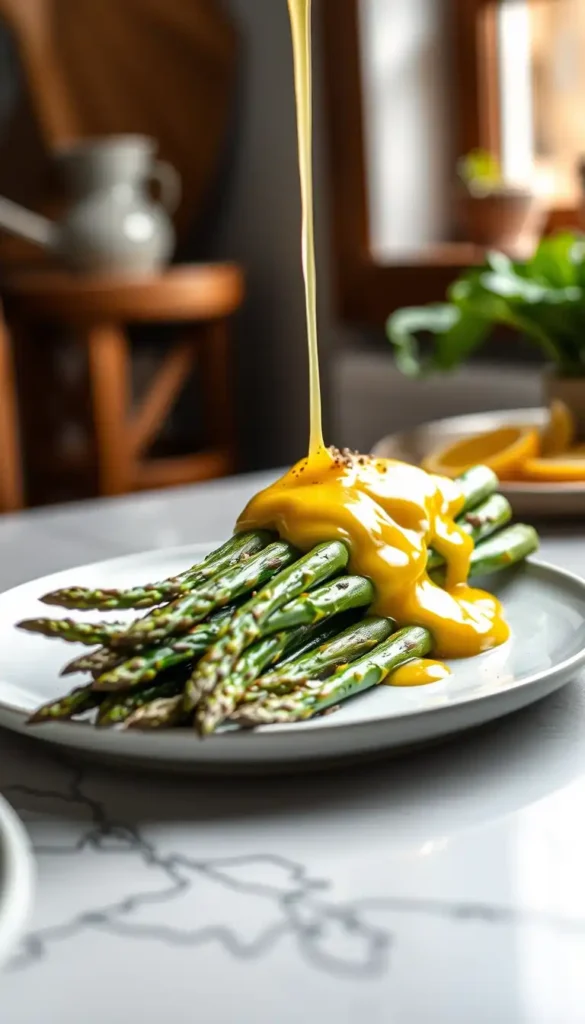
- Steamed asparagus
- Broccoli or green beans
- Roasted potatoes
- Crab cakes
- Grilled chicken or steak
Is Hollandaise Sauce Safe to Eat?
Traditional hollandaise uses gently cooked egg yolks. The yolks are heated enough to thicken but not scrambled. If you’re concerned, you can use pasteurized eggs, which are widely available and safe for sauces like this.
Can You Make Hollandaise Sauce Ahead of Time?
Hollandaise is best made fresh, but you can prepare it up to 1 hour in advance if kept warm properly. It does not refrigerate or reheat well, so plan accordingly.
Nutritional Overview (Approximate)
Per serving (2 tablespoons):
- Calories: 130–150
- Fat: 14 g
- Protein: 1 g
- Carbohydrates: <1 g
This is an indulgent sauce, meant to be enjoyed in moderation.
Final Thoughts on the Perfect Hollandaise Sauce Recipe
This classic hollandaise sauce recipe proves that a luxurious, restaurant-style sauce can be made right in your own kitchen with simple ingredients and careful technique. Once you’ve mastered the basics, you’ll find endless ways to customize and serve it.
If you’re building a recipe collection or food blog, this hollandaise sauce is a must-have foundational recipe that never goes out of style.