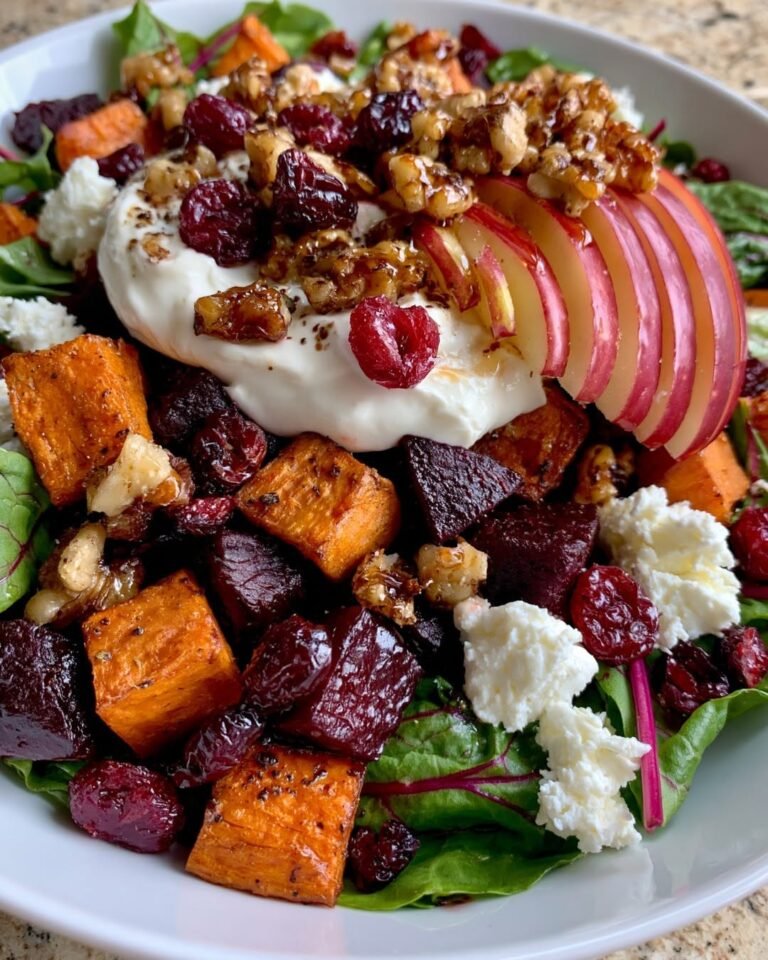
Beetroot, Carrot, Apple & Ginger Juice – Nutrient-Rich Homemade Juice Recipe
Description
Beetroot, Carrot, Apple & Ginger Juice is a colourful, refreshing homemade drink made with fresh vegetables, naturally sweet fruit, and aromatic ginger. This vibrant ruby-red juice combines the earthy flavour of beetroot, the sweetness of carrots and apples, the refreshing taste of lemon, and the gentle warmth of ginger.
Packed with naturally occurring vitamins, minerals, antioxidants, and plant compounds, this homemade juice can be a nutritious addition to a balanced diet. It is particularly popular among people looking for a refreshing morning drink, a way to increase their intake of fruits and vegetables, or a naturally colourful alternative to sugary beverages.
Beetroot contains dietary nitrates, which the body can convert into nitric oxide. Nitric oxide helps blood vessels relax and may support healthy blood pressure and circulation. Carrots provide beta-carotene, which the body converts into vitamin A, while apples contribute natural sweetness and plant compounds. Ginger adds a refreshing, slightly spicy flavour.
Although this juice contains beneficial nutrients, it is important to understand that it does not cure diabetes, repair damaged liver cells, or reverse liver disease in 42 days. There is no reliable clinical evidence supporting those claims.
People with diabetes should also remember that blended and strained fruit juices contain natural sugars and may raise blood glucose levels. Whole fruits and vegetables or unstrained smoothies are generally better choices for preserving fibre.
When enjoyed in sensible portions, this homemade beetroot juice can be part of a varied, nutritious eating pattern.
Recipe Information
- Preparation Time: 15 minutes
- Blending Time: 3–5 minutes
- Total Time: 20 minutes
- Servings: 6 small servings
- Serving Size: Approximately 150 ml, depending on juice yield
- Method: Blender or Juicer
- Difficulty: Easy
- Best Served: Fresh and chilled
Ingredients
For the Fresh Juice
- 2 medium beetroots, peeled and chopped
- 3 medium carrots, peeled and sliced
- 2 medium apples, cored and chopped
- 1-inch piece of fresh ginger, peeled
- 1 medium lemon, freshly squeezed
- 1½ cups cold drinking water
- Ice cubes, optional
Optional Ingredients
- ½ small cucumber for extra freshness
- A few fresh mint leaves
- ¼ teaspoon ground cinnamon
- Additional water to adjust consistency
Note: No added sugar, honey, or syrup is necessary because apples and carrots provide natural sweetness.
Step-by-Step Instructions
Step 1: Wash the Ingredients
Begin by washing the beetroots, carrots, apples, ginger, and lemon thoroughly under running water.
Use a clean vegetable brush to remove dirt from the beetroots and carrots.
Proper washing is especially important because root vegetables grow in soil.
Step 2: Prepare the Beetroots
Peel the beetroots using a vegetable peeler.
Cut them into small cubes to make blending easier.
Beetroot has a naturally deep red pigment that can stain hands and cutting boards, so use a suitable chopping surface.
Step 3: Prepare the Carrots
Peel the carrots if desired and slice them into small rounds.
Smaller pieces blend more smoothly and reduce strain on the blender.
Carrots contribute natural sweetness and valuable beta-carotene.
Step 4: Prepare the Apples
Wash the apples and remove their cores and seeds.
Cut them into small pieces.
You can leave the apple skins on because they contain useful plant compounds and dietary fibre.
Red or sweet apples work well, although green apples provide a more tart flavour.
Step 5: Prepare the Ginger and Lemon
Peel the fresh ginger and cut it into smaller pieces.
Squeeze the lemon to extract its juice, removing any seeds.
Ginger provides a slightly spicy taste, while lemon adds freshness and balances the earthy flavour of beetroot.
Step 6: Add Everything to the Blender
Place the chopped beetroots, carrots, apples, and ginger into a high-speed blender.
Add the lemon juice and cold drinking water.
Start blending on low speed, then gradually increase to high.
Blend for approximately 2–3 minutes until the mixture becomes smooth.
Step 7: Adjust the Consistency
Check the texture of the blended mixture.
If it is too thick, add a little more cold water and blend again.
For a thicker drink that retains more fibre, keep the mixture unstrained.
Step 8: Strain the Juice
For a smooth juice like the one shown in the picture, place a fine-mesh strainer over a large bowl.
Slowly pour the blended mixture through the strainer.
Use a spoon to press gently and extract additional liquid.
Discard or repurpose the remaining pulp.
Important: Straining removes much of the fibre, so the resulting juice may affect blood sugar more quickly than eating the whole ingredients.
Step 9: Chill the Juice
Transfer the prepared juice into clean glass bottles or airtight containers.
Refrigerate until chilled.
Shake or stir before serving because natural separation may occur.
Step 10: Serve and Enjoy
Pour approximately 150 ml into a glass.
Add ice cubes if desired.
Serve fresh for the best flavour and quality.
Enjoy this naturally colourful homemade juice as part of a balanced meal or snack.
Tips and Notes
1. Use Fresh Ingredients
Fresh, firm beetroots and carrots provide the best flavour.
Avoid vegetables that are mouldy, slimy, or spoilt.
2. Avoid Adding Sugar
Apples and carrots already contain natural sugars.
Additional sugar or honey increases the carbohydrate content without being necessary for flavour.
3. Keep the Fibre When Possible
For a more filling drink, skip straining and enjoy the blended mixture as a smoothie.
Fibre helps support digestive health and can slow carbohydrate absorption.
4. Start with Small Portions
A small serving of approximately 100–150 ml is a reasonable starting point for many adults.
Portion size matters because juice contains concentrated natural sugars.
5. Adjust the Ginger
Ginger has a strong flavour.
Start with a smaller amount if you prefer a mild drink.
6. Serve Fresh
Fresh juice tastes best immediately after preparation.
Refrigerate promptly if preparing it ahead.
7. Don’t Use Juice as a Meal Replacement
This juice does not provide enough protein, fat, or fibre to replace a balanced meal.
Pair it with foods such as eggs, yoghurt, nuts, or whole-grain toast.
8. Consider Medical Conditions
People with diabetes, kidney disease, recurrent calcium oxalate kidney stones, low blood pressure, or those taking certain medications should discuss frequent or concentrated juice consumption with their healthcare professional.
Potential Health Benefits
1. May Support Healthy Blood Pressure
Beetroot naturally contains dietary nitrates.
The body converts these nitrates into nitric oxide, a compound that helps blood vessels relax.
Some studies suggest beetroot juice may modestly reduce blood pressure in certain adults.
However, the effect varies, and beetroot juice should not replace prescribed blood pressure medication.
2. Provides Antioxidant Compounds
Beetroots contain betalains, while apples and carrots contain various plant compounds.
These substances contribute to a varied diet and may help protect cells against oxidative stress.
However, consuming antioxidants does not automatically prevent or cure disease.
3. Supports Normal Vision
Carrots contain beta-carotene, which the body can convert into vitamin A.
Vitamin A supports normal vision, immune function, and healthy skin.
4. Contributes to Nutrient Intake
This juice supplies naturally occurring vitamins, minerals, and plant compounds.
It can help add variety to your diet, although whole fruits and vegetables generally provide more fibre.
5. May Support Exercise Performance
Research suggests that dietary nitrates from beetroot juice may improve exercise efficiency or endurance in some situations.
Results vary according to nitrate concentration, exercise intensity, and individual response.
6. Ginger May Help with Nausea
Ginger has been studied for its potential ability to relieve certain types of nausea.
The small amount used in this recipe may contribute flavour, but the drink should not be considered a treatment for persistent nausea.
7. Supports Hydration
Water-rich ingredients and added drinking water contribute to daily fluid intake.
However, plain water remains the simplest option for routine hydration.
Can This Juice Help Diabetes?
People with diabetes can sometimes include small portions of fruit or vegetable juice in their eating plans, but portion size and total carbohydrate content are important.
Apples, carrots, and beetroots contain natural sugars. Blending and straining removes much of the fibre that would otherwise slow digestion.
As a result, this juice can raise blood glucose levels.
For people managing diabetes:
- Prefer whole fruits and vegetables when possible.
- Consider an unstrained smoothie instead of juice.
- Avoid added sugar, honey, and syrups.
- Keep servings small and account for carbohydrates.
- Monitor individual blood glucose responses when appropriate.
This juice does not cure diabetes or regenerate pancreatic cells in 42 days.
Diabetes management should follow an individualised treatment plan recommended by a qualified healthcare professional.
Can This Juice Help Liver Health?
The liver performs important functions, including processing nutrients, metabolising medications, and removing certain waste products from the bloodstream.
A balanced diet rich in vegetables, fruits, whole grains, and appropriate protein can support general health, including liver health.
However, no reliable clinical evidence shows that this specific beetroot, carrot, apple, and ginger juice repairs liver cells or reverses liver disease within 42 days.
For people with fatty liver disease or other liver conditions, dietary changes may be helpful, but the appropriate approach depends on the diagnosis.
Excessive consumption of sugary drinks, including large portions of fruit juice, may be counterproductive for some people with metabolic health conditions.
This juice should be viewed as a food, not a liver treatment or detoxification cure.
Serving Suggestions
Morning Refreshment: Enjoy a small glass alongside a protein-rich breakfast.
After Exercise: Serve chilled with a balanced snack containing protein and carbohydrates.
Healthy Brunch: Pair with whole-grain toast, eggs, or plain yogurt.
Summer Drink: Add ice cubes and fresh mint leaves.
Family Gatherings: Serve in small glasses with lemon slices for a colorful presentation.
Smoothie Version: Skip straining to retain more fiber and create a thicker drink.
Storage Instructions
Refrigerator Storage
Transfer freshly prepared juice into clean, airtight bottles.
Refrigerate immediately at 40°F (4°C) or below.
For best quality, consume within 24 hours. Fresh, unpasteurized juice can contain harmful microorganisms and should not be treated as shelf-stable.
Freezing
Pour the juice into freezer-safe containers, leaving space for expansion.
Freeze promptly and use within 1–2 months for best quality.
Thaw in the refrigerator.
Important Food Safety Note
Homemade juice is not pasteurized.
Pregnant people, young children, older adults, and people with weakened immune systems should be especially cautious with unpasteurized juices.
Never store homemade juice at room temperature for extended periods.
Frequently Asked Questions
1. Can this juice cure diabetes in 42 days?
No. There is no reliable scientific evidence that this juice cures diabetes or restores pancreatic function within 42 days.
2. Can beetroot juice repair liver cells?
There is insufficient clinical evidence that beetroot juice repairs damaged liver cells or treats liver disease in humans.
3. Is this juice safe for people with diabetes?
It may fit into some diabetes meal plans in small portions, but it contains natural sugars and carbohydrates. Individual responses vary, so people with diabetes should consider their blood glucose management plan.
4. Is it better to drink the juice or eat the vegetables?
Whole vegetables and fruits generally provide more fiber and are usually preferable for fullness and blood glucose management.
5. Can I drink this juice every day?
Some healthy adults may enjoy small portions regularly, but daily consumption is not necessary. A varied diet is more important than drinking one specific juice.
6. Does beetroot improve blood circulation?
Dietary nitrates from beetroot may support nitric oxide production and healthy blood vessel function. However, this does not mean the juice treats circulatory diseases.
7. Can I prepare this juice without apples?
Yes. You can reduce or omit the apples and add cucumber or extra water for a less sweet version.
8. Does this juice help with weight loss?
The juice does not directly cause weight loss. Weight management depends on overall dietary habits, physical activity, sleep, and other factors.
9. Why does beetroot sometimes turn urine pink or red?
Beetroot pigments can temporarily change urine or stool color in some people. This is often harmless, but unexplained or persistent red urine should be medically evaluated.
10. Can I drink this juice on an empty stomach?
Some people tolerate it well, while others may experience digestive discomfort. There is no established special benefit to drinking it on an empty stomach.
11. Can I use a juicer instead of a blender?
Yes. A juicer can extract liquid directly from the prepared ingredients. However, most of the fiber remains in the discarded pulp.
12. Can I add lemon and ginger together?
Yes. Lemon and ginger complement the earthy flavor of beetroot and provide a refreshing taste.
Servings and Nutritional Information
Total Yield: Approximately 6 small servings, depending on blending and straining.
Serving Size: Approximately 150 ml.
Estimated Nutrition Per Serving (Strained Juice):
- Calories: 65 kcal
- Protein: 1 g
- Total Carbohydrates: 15 g
- Natural Sugars: 11 g
- Total Fat: 0 g
- Dietary Fiber: Less than 1 g
- Sodium: 45 mg
- Potassium: 250 mg
These values are rough estimates. Actual nutrition depends on ingredient sizes, water added, the amount of pulp removed, and the final juice yield. Unstrained smoothies retain more fiber.
Final Thoughts
Beetroot, Carrot, Apple & Ginger Juice is a refreshing homemade drink that combines colorful vegetables, naturally sweet fruit, and aromatic ginger.
Its vibrant appearance and refreshing flavor make it an enjoyable addition to breakfast, brunch, or a balanced snack.
Beetroot provides dietary nitrates, carrots contribute beta-carotene, apples add plant compounds, and ginger brings a distinctive flavor.
Although these ingredients offer nutritional value, the juice should not be promoted as a cure for diabetes, liver disease, or other medical conditions.
For the greatest nutritional benefit, consider enjoying the ingredients whole or preparing an unstrained smoothie to retain more fiber.
Keep portions moderate, avoid added sugar, and remember that long-term health depends on overall dietary habits rather than a single drink.