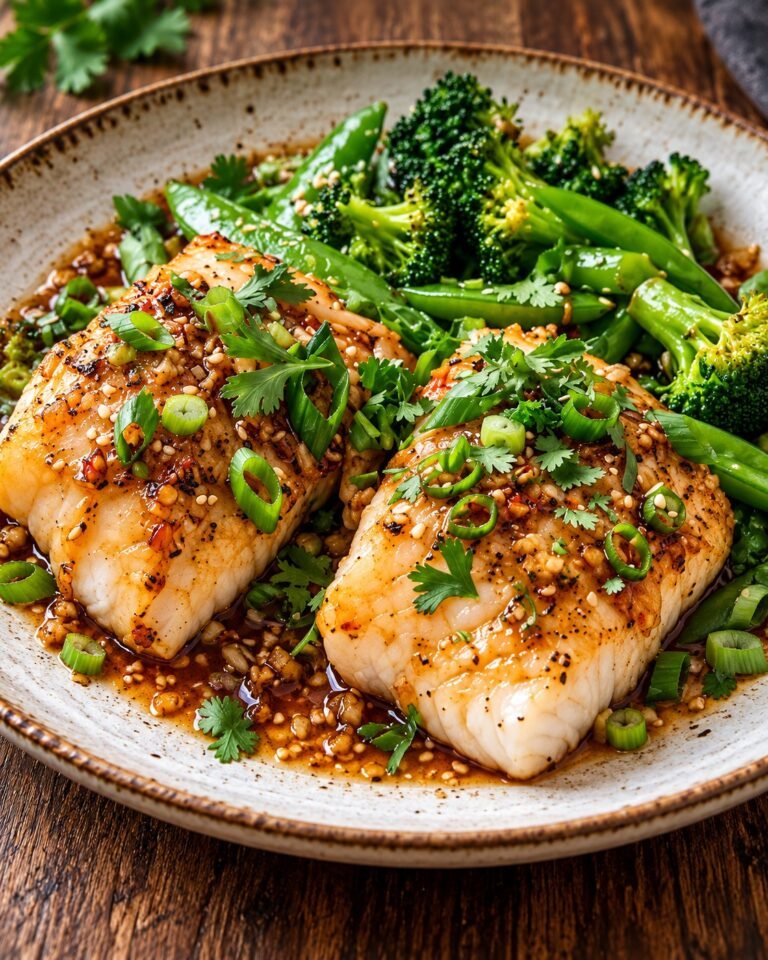
Mediterranean Creamy Spinach & Shrimp Stuffed Salmon
Description
Mediterranean Creamy Spinach & Shrimp Stuffed Salmon is a delicious, restaurant-quality dinner that combines tender, flaky salmon with a rich, creamy filling made with shrimp, fresh spinach, garlic, and cheese. Seasoned with olive oil, smoked paprika, garlic powder, salt, and black pepper, each salmon fillet is packed with Mediterranean-inspired flavors that make every bite irresistible.
This elegant seafood recipe is perfect for a cozy family dinner, a special occasion, or a healthy meal when you want something satisfying without spending hours in the kitchen. The salmon develops a beautifully seasoned exterior while the creamy shrimp and spinach filling adds moisture, flavor, and a luxurious texture.
What makes this recipe especially appealing is its combination of seafood, leafy greens, and simple seasonings. Salmon provides protein and omega-3 fatty acids, shrimp adds additional protein, and spinach contributes vitamins and minerals. Serve it with roasted vegetables, lemon rice, a fresh Mediterranean salad, or steamed asparagus for a complete meal.
Whether you’re cooking for guests or preparing a flavorful weeknight dinner, this Creamy Spinach & Shrimp Stuffed Salmon is an impressive dish that looks beautiful on the plate and tastes even better.
Ingredients
For the Salmon
- 2 large skinless salmon fillets, approximately 6 ounces each
- 1 tablespoon olive oil
- 1/2 teaspoon salt
- 1/2 teaspoon black pepper
- 1/2 teaspoon smoked paprika
- 1/2 teaspoon garlic powder
For the Creamy Spinach and Shrimp Filling
- 4 ounces small shrimp, peeled, deveined, and finely chopped
- 1 cup fresh spinach, finely chopped
- 3 ounces cream cheese, softened
- 1/4 cup shredded mozzarella cheese
- 2 cloves garlic, minced
- 1 tablespoon grated Parmesan cheese
- 1 teaspoon fresh lemon juice
- 1/4 teaspoon Italian seasoning
- A pinch of red pepper flakes, optional
- Salt and black pepper, to taste
- 1 teaspoon olive oil
For Serving and Garnish
- Lemon wedges
- Fresh parsley, chopped
- A little extra Parmesan cheese, optional
Instructions
Step 1: Preheat the Oven
Preheat your oven to 400°F (200°C). Lightly grease a baking dish with olive oil or line a rimmed baking sheet with parchment paper.
Preparing the oven before starting helps ensure that the salmon cooks evenly once it is stuffed and placed inside.
Step 2: Prepare the Salmon Fillets
Pat the salmon fillets dry using paper towels. Removing excess moisture helps the seasoning adhere properly and improves the final texture.
Using a sharp knife, carefully cut a pocket horizontally into the thickest side of each fillet. Slice into the salmon without cutting all the way through the opposite side.
You want a deep pocket that can hold the creamy shrimp and spinach filling while keeping the salmon intact.
In a small bowl, combine the salt, black pepper, smoked paprika, and garlic powder.
Brush the salmon fillets with olive oil, then season the outside and the inside of each pocket with the spice mixture. Set aside while preparing the filling.
Step 3: Prepare the Shrimp
If using frozen shrimp, thaw it completely and pat it dry. Peel and devein the shrimp if necessary, then chop it into small pieces.
Heat 1 teaspoon of olive oil in a skillet over medium heat. Add the minced garlic and cook for approximately 30 seconds, stirring frequently until fragrant.
Add the chopped shrimp and cook for 1–2 minutes, stirring occasionally, until it begins to turn pink and opaque. The shrimp will continue cooking inside the salmon, so avoid overcooking it at this stage.
Transfer the shrimp to a plate and allow it to cool slightly.
Step 4: Cook the Spinach
Using the same skillet, add the chopped spinach. Cook for approximately 1–2 minutes, stirring until the leaves wilt and most of their moisture evaporates.
If the spinach releases a lot of liquid, drain or cook off the excess moisture before adding it to the filling. This helps prevent the stuffed salmon from becoming watery.
Remove the skillet from the heat and let the spinach cool slightly.
Step 5: Make the Creamy Filling
In a medium mixing bowl, combine the softened cream cheese, shredded mozzarella, and grated Parmesan cheese.
Stir until the mixture becomes smooth and creamy. Add the cooked shrimp, wilted spinach, lemon juice, Italian seasoning, and optional red pepper flakes.
Mix everything thoroughly so that the shrimp and spinach are evenly distributed throughout the cheese mixture.
Taste the filling and add a little salt and black pepper if needed. Remember that Parmesan already contributes saltiness, so season gradually.
The finished filling should be thick enough to stay inside the salmon pockets without running out.
Step 6: Stuff the Salmon
Divide the creamy spinach and shrimp filling evenly between the two salmon fillets.
Carefully spoon the filling into each pocket, pressing gently to distribute it without tearing the fish.
Avoid overfilling the salmon. A generous amount of filling is delicious, but leaving a little room around the edges helps keep the mixture in place while baking.
If necessary, secure the openings with toothpicks. Remember to remove them before serving.
Place the stuffed fillets in the prepared baking dish, leaving a little space between them.
Step 7: Bake the Stuffed Salmon
Transfer the baking dish to the preheated oven.
Bake for approximately 15–22 minutes, depending on the thickness of the salmon fillets. Thicker fillets may require additional cooking time.
The salmon should become opaque and flake easily with a fork. For food safety, cook the fish to an internal temperature of 145°F (63°C), measured at the thickest part. Check that the shrimp filling is also thoroughly cooked.
Avoid baking the salmon longer than necessary, as overcooking can make it dry.
For a lightly golden top, you can broil the salmon for 1–2 minutes at the end, watching carefully to prevent burning.
Step 8: Rest and Garnish
Remove the salmon from the oven and let it rest for approximately 3 minutes.
Sprinkle with freshly chopped parsley and a little extra Parmesan cheese, if desired. Serve with lemon wedges so everyone can add fresh lemon juice to taste.
The bright citrus flavour complements the rich filling and enhances the natural flavour of the salmon.
Step 9: Serve and Enjoy
Serve the stuffed salmon while warm, with the creamy spinach and shrimp filling visible in each portion.
Pair it with roasted asparagus, garlic green beans, lemon-herb quinoa, brown rice, or a crisp Mediterranean cucumber and tomato salad.
For an elegant presentation, place each fillet on a plate with roasted vegetables and a lemon wedge. Spoon any creamy filling that escapes during baking over the top.
Enjoy a flavorful, satisfying seafood dinner that looks impressive but uses straightforward cooking techniques.
Recipe Notes
Choose fresh or properly thawed salmon: Fresh salmon works wonderfully, but frozen fillets are also suitable when thawed completely in the refrigerator. Pat them dry before seasoning.
Use peeled, deveined shrimp: Small shrimp are convenient for stuffing because they distribute easily throughout the creamy filling. Larger shrimp can be chopped into smaller pieces.
Soften the cream cheese: Room-temperature cream cheese blends more easily with the other ingredients and helps prevent lumps.
Remove excess spinach moisture: Spinach contains a significant amount of water. Cooking it until wilted and draining excess liquid keeps the filling creamy rather than runny.
Adjust the cheese: Mozzarella provides a mild, stretchy texture, while Parmesan adds a savory flavor. You can substitute another melting cheese if preferred.
Control the spice: Smoked paprika adds warmth and depth, while red pepper flakes provide optional heat. Leave out the flakes for a milder dish.
Avoid overstuffing: Filling the pockets generously is important, but too much filling may spill out during cooking.
Store leftovers safely: Refrigerate leftover salmon in an airtight container within two hours of cooking and consume within 3 days. Reheat gently until thoroughly hot.
Helpful Tips for Perfect Stuffed Salmon
- Select thick fillets. Thicker salmon portions are easier to cut into pockets and hold the filling better than thin pieces.
- Use a sharp knife. Carefully cut along the side of each fillet, keeping the blade parallel to the cutting board and avoiding cutting through the opposite edge.
- Prepare the filling first. Allow the shrimp and spinach to cool slightly before mixing them with the cream cheese. This makes the filling easier to handle.
- Keep the filling thick. If the mixture looks watery, cook off excess spinach moisture before combining the ingredients.
- Season every layer. A little seasoning inside the salmon pocket helps ensure that the fish and filling taste flavorful throughout.
- Monitor cooking time. Salmon thickness and oven performance vary. Begin checking the fillets toward the lower end of the cooking range.
- Use a food thermometer. The safest way to confirm doneness is to check the thickest part of the salmon for an internal temperature of 145°F (63°C).
- Let the fish rest briefly. A short rest after baking makes serving easier and allows the juices to settle.
- Add lemon at the end. Fresh lemon juice brightens the creamy filling without overpowering the seafood.
- Keep the sides simple. Roasted vegetables, fresh salad, or a small portion of whole grains complement the richness of the stuffed salmon.
Servings and Preparation Time
- Servings: 2 main-course portions
- Prep time: 15 minutes
- Cook time: 15–22 minutes
- Resting time: 3 minutes
- Total time: Approximately 33–40 minutes
- Oven temperature: 400°F (200°C)
- Difficulty: Moderate
- Cuisine style: Mediterranean-inspired seafood
Nutritional Information
The following nutrition estimates are for one stuffed salmon fillet, assuming the recipe makes two servings and uses the listed ingredients.
- Calories: 480–580
- Protein: 48–58 grams
- Carbohydrates: 5–8 grams
- Dietary fiber: 1–2 grams
- Total fat: 28–36 grams
- Saturated fat: 10–14 grams
- Sodium: 650–950 milligrams
These values are estimates and may vary depending on the size and type of salmon, shrimp, cream cheese, mozzarella, Parmesan, and the amount of added salt. For more precise figures, calculate nutrition using the exact products and quantities you use.
Benefits of Mediterranean Creamy Spinach & Shrimp Stuffed Salmon
1. Provides high-quality protein
Salmon and shrimp both provide complete protein, which helps maintain muscle, repair tissues, and support normal body functions. This makes the recipe a satisfying main course.
2. Contains omega-3 fatty acids
Salmon is a source of the omega-3 fatty acids EPA and DHA. These fats support normal cardiovascular and brain function and can be part of a heart-conscious eating pattern.
3. Includes nutrient-rich spinach
Spinach provides folate, vitamin K, and other micronutrients. It also contributes antioxidants and a small amount of dietary fiber.
4. Offers a variety of nutrients
The combination of seafood, spinach, and dairy contributes different nutrients, including protein, calcium, and vitamins. Eating a variety of foods helps support a balanced diet.
5. Can fit into a lower-carbohydrate meal plan
The recipe contains relatively few carbohydrates because its main ingredients are salmon, shrimp, spinach, and cheese. Pair it with non-starchy vegetables for a lower-carbohydrate meal.
6. Uses olive oil
Olive oil provides predominantly unsaturated fats. Using it in place of some saturated-fat sources can be beneficial as part of an overall balanced eating pattern.
7. Makes an appealing home-cooked meal
Preparing seafood at home allows you to control the ingredients, salt, and portion sizes. Pairing the salmon with vegetables and an appropriate side dish can help create a balanced dinner.
This recipe is nutrient-rich, but its cream cheese and other cheeses contribute saturated fat and sodium. Overall nutritional benefits depend on portion size and the rest of your eating pattern.
Frequently Asked Questions
Q1: Can I use frozen salmon for this recipe?
Yes. Thaw frozen salmon completely in the refrigerator before preparing it. Pat it dry and check that the fillets are thick enough to hold the filling.
Q2: Can I use cooked shrimp instead of raw shrimp?
Yes. Finely chop cooked shrimp and fold it into the spinach and cheese mixture. Since the shrimp is already cooked, avoid unnecessary precooking. The stuffed salmon still needs to reach a safe internal temperature.
Q3: Can I prepare stuffed salmon ahead of time?
You can prepare the filling a few hours ahead and refrigerate it separately. For the best texture and food safety, stuff the salmon shortly before baking. Keep raw seafood refrigerated during preparation.
Q4: How do I know when the salmon is cooked?
The fish should be opaque and flake easily, but appearance alone is not a reliable safety test. Use a food thermometer to verify that the thickest part reaches 145°F (63°C).
Q5: Can I make this recipe without cream cheese?
Yes. You can substitute a thick ricotta or another suitable soft cheese, although the texture and flavor will change. Drain watery ricotta before mixing it with the shrimp and spinach.
Q6: What can I serve with stuffed salmon?
Roasted asparagus, garlic green beans, steamed broccoli, Mediterranean salad, lemon rice, quinoa, or roasted potatoes are excellent choices.
Q7: Is this recipe keto-friendly?
The recipe is relatively low in carbohydrates and may fit some lower-carbohydrate meal plans. However, individual carbohydrate targets vary, and the exact amount depends on the ingredients and serving size.
Q8: Can I make it dairy-free?
Yes, but the creamy filling will need adjustments. Use dairy-free cream cheese, a suitable dairy-free shredded cheese, and a little nutritional yeast if desired. Check product labels for allergens and carbohydrate content.
Q9: How should I store leftovers?
Place leftovers in an airtight container and refrigerate within two hours of cooking. Consume within 3 days and reheat until thoroughly hot. Avoid repeatedly reheating the same portion.
Q10: Can I freeze stuffed salmon?
You can freeze fully cooked portions in airtight, freezer-safe packaging, although the creamy filling may change texture after thawing. For best quality, use within 2–3 months. Thaw in the refrigerator and reheat thoroughly.
Q11: Why did the filling come out of the salmon?
The pocket may have been cut too deeply, or the salmon may have been overfilled. Make a deep but controlled cut, leave room around the edges, and secure the opening with a toothpick if needed.
Q12: Can I add other vegetables to the filling?
Yes. Finely chopped mushrooms or roasted red peppers can add flavor. Cook them first and remove excess moisture so the filling remains thick.
Final Thoughts
Mediterranean Creamy Spinach & Shrimp Stuffed Salmon is a delicious way to bring restaurant-style seafood into your home kitchen. Tender salmon, juicy shrimp, savory garlic, fresh spinach, and creamy cheese create a combination that feels special without requiring complicated ingredients.
Serve it for a weeknight dinner, a family gathering, or a special meal when you want something both flavorful and satisfying. Add fresh lemon, colorful vegetables, and your favorite Mediterranean-inspired side dish to complete the plate.
If you love easy seafood recipes with creamy fillings and bold flavors, save this recipe for your next dinner and share it with someone who enjoys homemade meals. Enjoy every bite!