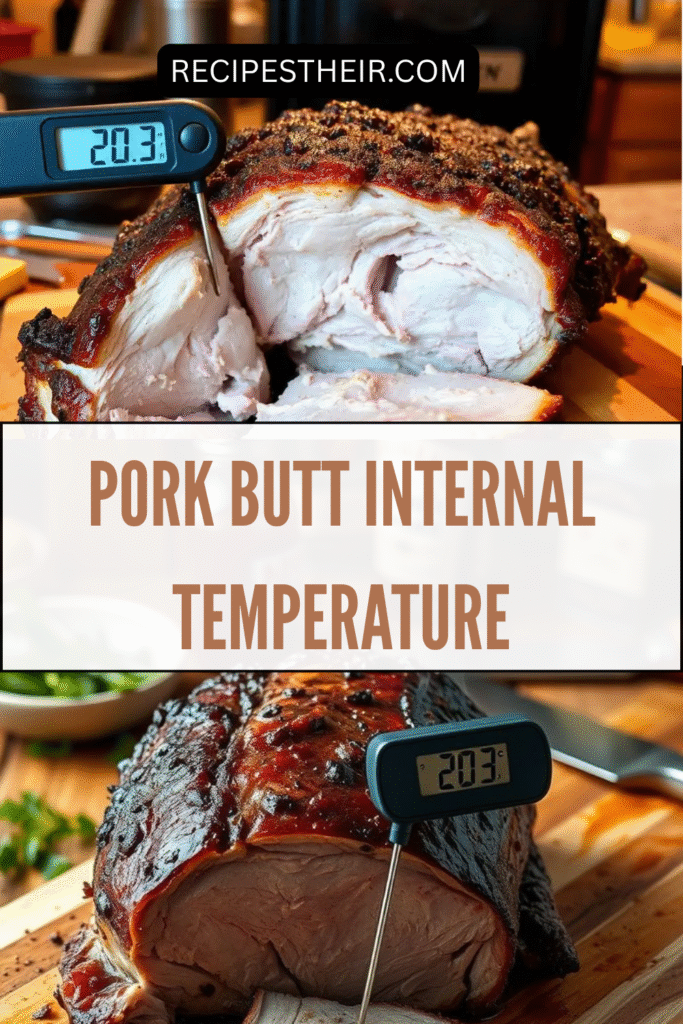
When it comes to juicy, flavorful pulled pork, getting the pork butt internal temperature just right is the secret ingredient. Whether you’re smoking, roasting, or slow-cooking, knowing what temperature to aim for—and why—can make the difference between dry, chewy pork and a tender, melt-in-your-mouth barbecue masterpiece.
In this guide, we’ll break down everything you need to know about pork butt internal temperature, from the science behind it to the best tools and techniques to get it right every time.
What Is Pork Butt?
Before we dive into the temperature talk, let’s clarify one thing: pork butt is not the pig’s rear end. It’s actually a cut from the upper part of the shoulder, above the picnic shoulder cut. Also known as Boston butt, it’s a heavily marbled, tough cut of meat that shines when cooked low and slow.
Because of its connective tissue and fat content, pork butt becomes tender and flavorful when it reaches the right internal temperature—and that’s the key to great pulled pork.
Why Pork Butt Internal Temperature Matters
Unlike lean cuts like pork tenderloin or chops, pork butt is full of collagen and fat that need to break down slowly. If you pull it too early, the meat will be tough and rubbery. But when cooked to the right internal temperature, the collagen turns to gelatin, and the fat renders down, leaving you with moist, shreddable pork.
Getting the temperature just right ensures:
- Maximum tenderness
- Safe consumption
- Juicy, flavorful results
What Is the Ideal Pork Butt Internal Temperature?
Let’s get right to it:
- For pulled pork: Cook pork butt to an internal temperature of 195°F to 205°F (90°C to 96°C).
- Minimum safe temperature: According to the USDA, pork is safe to eat at 145°F (63°C), but at this point, pork butt will still be chewy and undercooked for shredding purposes.
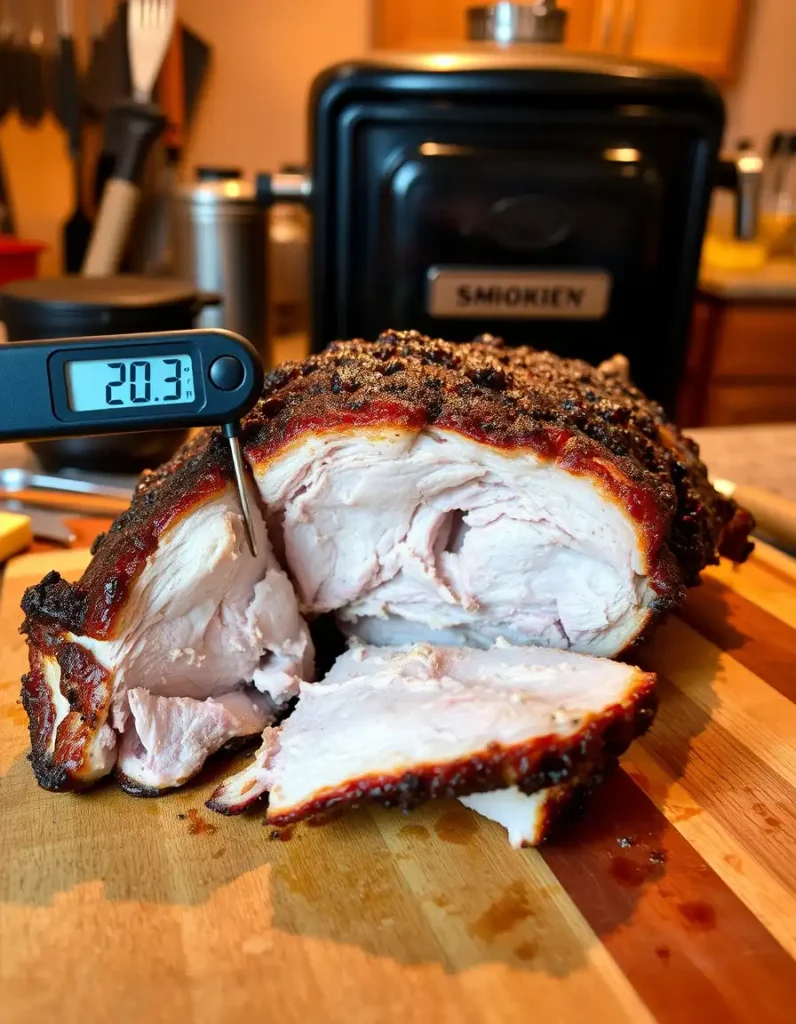
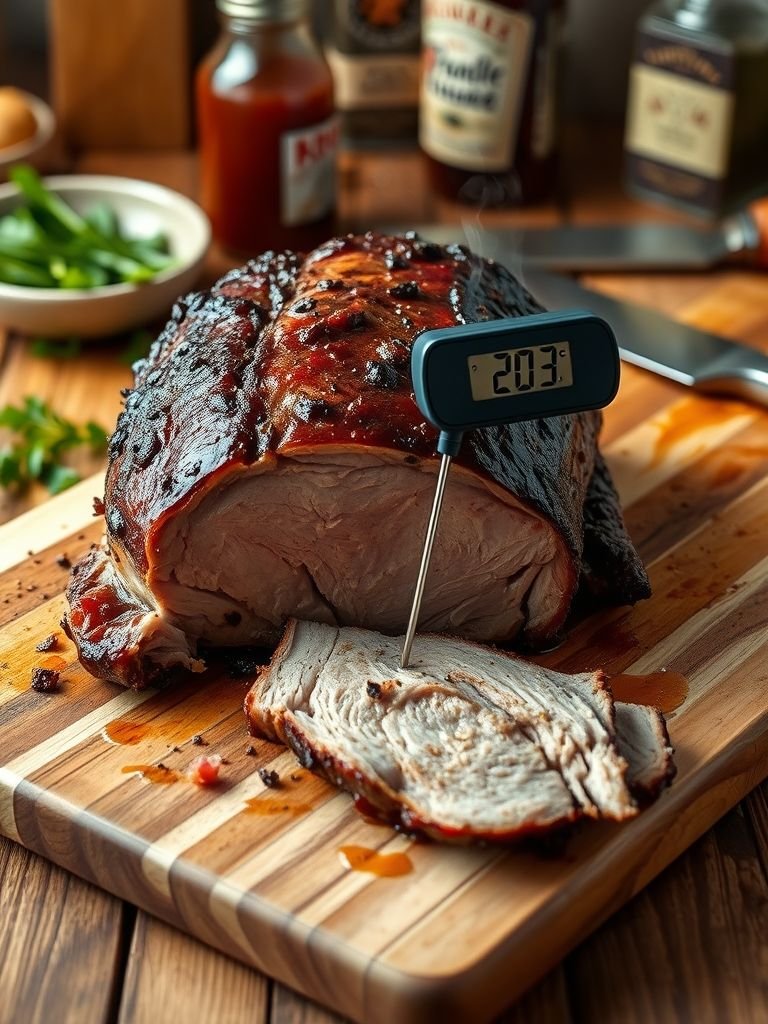
The sweet spot is around 203°F, where the meat fibers loosen and the pork becomes fork-tender.
Key Temperature Stages to Know
Here’s a breakdown of how pork butt behaves at different internal temperatures:
| Temperature | What Happens |
|---|---|
| 145°F (63°C) | Technically safe to eat, but very tough |
| 165°F (74°C) | Some collagen begins to break down |
| 180°F (82°C) | Meat starts to soften, but not quite pullable |
| 195–205°F (90–96°C) | Perfect for pulled pork: juicy, tender, shreddable |
| Over 210°F (99°C) | Risk of drying out if held too long |
How Long to Cook Pork Butt
While the internal temperature is what truly matters, cook time gives you a ballpark estimate. A common rule of thumb:
1.5 to 2 hours per pound at 225°F to 250°F.
For example:
- A 6 lb pork butt will take roughly 9 to 12 hours.
- Always use a meat thermometer instead of relying solely on time.
Factors That Affect Cooking Time
- Smoker or oven temperature consistency
- Bone-in vs. boneless
- Size and shape of the roast
- Whether you wrap it mid-cook (Texas crutch)
- The notorious “stall”
The Stall: Why Pork Butt Gets Stuck Around 160°F
If you’ve ever cooked a pork butt, you may have noticed the internal temperature stalls around 150–170°F for hours. This phenomenon is called “the stall”, and it’s completely normal.
Why it happens: As moisture evaporates from the surface of the pork, it cools the meat (like sweat does on our skin), causing the internal temperature to plateau.
How to beat it:
- Wait it out (more flavor develops over time).
- Wrap the pork tightly in foil or butcher paper once it hits 160°F to trap moisture and push through the stall—this is called the Texas crutch.
Best Ways to Measure Internal Temperature
To nail the perfect pork butt internal temperature, you’ll need a reliable meat thermometer.
Recommended Tools:
- Digital instant-read thermometer – great for quick checks.
- Leave-in probe thermometer – ideal for monitoring long cooks.
- Wireless smart thermometers – perfect for smokers and grillers who want real-time updates.
Pro Tip: Always insert the probe into the thickest part of the pork butt, avoiding bones and fat pockets.
Tips for Cooking Pork Butt to the Perfect Temperature
Here are some pro-level techniques to help you achieve barbecue greatness:
1. Low and Slow Wins the Race
Cook pork butt at 225°F to 250°F for the best results. Higher temps will cook it faster, but may dry it out or miss that sweet shredding zone.
2. Use the Texas Crutch
Wrap the pork in foil or peach butcher paper once it hits the stall to speed up the process and retain moisture.
3. Rest Your Meat
After reaching 195–205°F, let your pork butt rest for 30 to 60 minutes wrapped in foil or a towel. This allows juices to redistribute and makes pulling easier.
4. Don’t Rely on Guesswork
Avoid poking or cutting into the meat to “check doneness.” Trust the thermometer—it’s the only reliable indicator.
Pulled Pork Perfection: Finishing Touches
Once your pork butt hits 203°F and rests properly, it should shred effortlessly with forks or meat claws. Here’s how to finish it off:
- Shred and toss in pan juices for max flavor.
- Add your favorite barbecue sauce or seasoning.
- Serve on buns, tacos, nachos, or straight from the plate.
FAQs About Pork Butt Internal Temperature
Can I overcook pork butt?
Yes—if held at high temps for too long, it can dry out. Aim for 195–205°F, then rest and shred.
What if my pork butt won’t go past 190°F?
Be patient. It may be stuck in the stall. Wrapping and increasing your smoker temp slightly can help.
Should I cook pork butt to 145°F like other pork cuts?
Only if you’re slicing it. For pulled pork, 195–205°F is ideal.
How do I know when it’s done without a thermometer?
You really can’t, reliably. But a good sign: it should jiggle and shred easily.
Final Thoughts
Getting the pork butt internal temperature right is the difference between average and amazing. By aiming for that golden 203°F range and giving your meat time to rest, you’ll unlock a world of juicy, flavorful pulled pork that’s perfect for any BBQ, weeknight dinner, or weekend cookout.
Invest in a quality thermometer, trust the process, and remember—low and slow is the way to go.