Quick & Crispy Baked Potato – Ready in Minutes!
Description
Nothing beats a perfectly cooked baked potato with a crispy, golden outside and a soft, fluffy inside! This quick & crispy baked potato recipe is the perfect solution when you want a comforting, delicious side dish without spending an hour waiting for the oven.
Using a microwave to cook the potato first dramatically reduces the cooking time. Then, a quick finish in the oven or air fryer gives the skin that irresistible crispy texture. With just a few simple ingredients, you can prepare a satisfying potato that tastes wonderful on its own or dressed up with your favourite toppings.
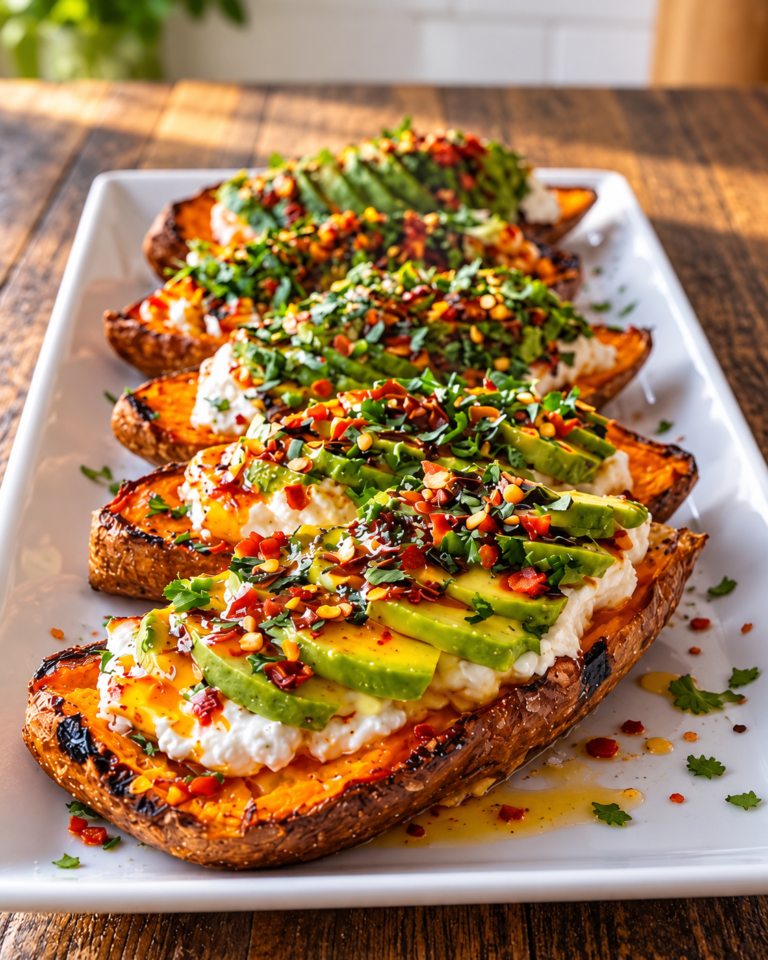
This recipe is ideal for busy weeknights, quick lunches, easy dinners, and meal prep. Serve it alongside grilled chicken, roasted vegetables, steak, fish, or a fresh salad. You can also turn it into a complete meal by adding cheese, beans, broccoli, cottage cheese, or shredded chicken.
The best part? You don’t need complicated equipment or fancy ingredients. Just one potato, a little oil, some seasoning, and a few minutes are all you need to create a delicious homemade favourite.
Ingredients
For the Baked Potato
- 1 large russet potato, approximately 10–12 ounces
- 1 teaspoon olive oil or melted butter
- 1/4 teaspoon salt, or to taste
- 1/8 teaspoon freshly ground black pepper, optional
Optional Toppings
- 2 tablespoons sour cream or plain Greek yoghurt
- 2 tablespoons shredded cheddar cheese
- 1 tablespoon chopped green onions or fresh chives
- 1 tablespoon crispy bacon bits
- 1 tablespoon chopped fresh parsley
- A small pat of butter
- Steamed broccoli florets
- Salsa or your favourite seasoning blend
Choose any toppings you enjoy. For a lighter option, use plain Greek yoghurt, fresh herbs, and a small amount of shredded cheese.
Instructions
Step 1: Choose and Prepare the Potato
Select a medium or large russet potato. Russet potatoes are ideal for baking because their high starch content creates a light, fluffy interior.
Wash the potato thoroughly under running water and scrub away any dirt. Pat it completely dry with a clean kitchen towel.
Using a fork, pierce the potato several times on different sides. This allows steam to escape during microwave cooking.
Do not wrap the potato in aluminium foil before microwaving. Always use a microwave-safe plate or dish.
Step 2: Microwave the Potato
Place the prepared potato on a microwave-safe plate.
Microwave on HIGH for approximately 5 minutes. Carefully turn the potato over using a kitchen towel or oven mitt, as it will be hot.
Continue microwaving for another 2–4 minutes, depending on the potato’s size and your microwave’s power.
If the potato is still firm in the centre, continue cooking in 1-minute intervals until it becomes tender.
Cooking time varies, so use tenderness rather than the clock alone to determine when it is done.
Step 3: Check for Doneness
Carefully remove the potato from the microwave and allow it to rest briefly.
Pierce the thickest part with a fork or small knife. It should slide into the centre easily, without encountering a hard or crunchy section.
If the potato is not fully cooked, return it to the microwave for another minute and check again.
Be careful when handling the potato because the skin and the steam inside can be extremely hot.
Step 4: Prepare the Skin for Crispiness
Preheat your oven or air fryer to 400°F (200°C).
Pat the potato skin dry if any moisture remains. Brush the outside lightly with olive oil or melted butter.
Sprinkle salt over the skin, turning the potato to coat it evenly. Add a little black pepper if desired.
The oil helps the skin brown and become crisp, while the salt enhances the natural flavour of the potato.
Step 5: Crisp the Potato
Place the potato in the preheated air fryer basket or on an oven-safe baking tray.
For an air fryer, cook for approximately 5–10 minutes. For a conventional oven, allow approximately 10–15 minutes, checking periodically.
Turn the potato once if necessary so the skin crisps evenly.
The potato is ready when the outside feels dry and crisp and develops a lightly golden appearance.
Because the potato has already been cooked in the microwave, this final step focuses on improving the texture rather than cooking it from scratch.
Step 6: Open and Fluff the Inside
Transfer the hot potato to a serving plate.
Using a sharp knife, carefully make a lengthwise cut across the top. Gently press the ends toward the centre to open it.
Use a fork to fluff the soft interior. If you like, add a small pat of butter and allow it to melt into the fluffy potato.
Season with a little additional salt and pepper if needed.
Step 7: Add Your Favourite Toppings
Finish the potato with your favourite toppings.
For a classic version, add shredded cheddar cheese, sour cream, and chopped green onions.
For a lighter version, use plain Greek yoghurt, fresh parsley, and steamed broccoli.
For a protein-rich meal, add cooked shredded chicken, black beans, or cottage cheese.
Serve immediately while the skin is crisp and the inside is warm and fluffy.
Recipe Notes
Best potato variety: Russet potatoes are the best choice for a traditional baked potato because they produce a fluffy interior and sturdy skin.
Microwave power: Cooking times depend on the microwave’s wattage and the size of the potato. Start with less time and add more as needed.
Crispy skin secret: Dry the potato before applying oil. Excess moisture can prevent the skin from crisping properly.
Oil or butter: Olive oil is convenient for coating the skin. Melted butter provides a richer flavour but can brown quickly, so keep an eye on the potato.
Oven versus air fryer: Both work well. The air fryer may crisp the skin faster, while the oven is useful when preparing several potatoes.
Toppings: Add cold toppings, such as sour cream or Greek yoghurt, after the potato has finished crisping.
Serving size: This recipe makes one large baked potato. Multiply the ingredients to prepare more servings.
Helpful Tips for the Best Results
- Choose potatoes of similar size. This is especially helpful when cooking several potatoes together because they are more likely to finish at a similar time.
- Always pierce the skin. Several fork holes allow steam to escape during microwave cooking.
- Don’t skip the doneness check. A large potato may require additional microwave time, even if the outside feels soft.
- Use a light coating of oil. Too much oil can make the skin greasy instead of crisp.
- Avoid overcrowding the air fryer. Leave room for hot air to circulate around the potato.
- Serve immediately. The skin is at its crispiest shortly after cooking. Covering the potato tightly can trap steam and soften the skin.
- Customise the seasoning. Garlic powder, smoked paprika, dried rosemary, or Italian seasoning can add extra flavour.
- Make it a meal. Add cooked chicken, beans, broccoli, or cottage cheese to make the potato more filling.
- Prepare toppings in advance. Chop green onions, grate cheese, and prepare other toppings while the potato cooks.
- Handle carefully. The potato retains heat after cooking, and steam can escape when you cut it open. Let it rest briefly before serving.
Servings and Preparation Time
- Prep Time: 2–3 minutes
- Microwave Cooking Time: 7–10 minutes
- Crisping Time: 5–15 minutes
- Total Time: Approximately 12–28 minutes
- Servings: 1 large baked potato
- Difficulty: Easy
- Cooking Method: Microwave plus oven or air fryer
- Course: Side Dish, Lunch, or Dinner
Actual cooking time depends on the potato’s size, microwave wattage, and crisping method.
Nutritional Information
Approximate nutritional values for one large russet potato prepared with 1 teaspoon of olive oil, without optional toppings:
- Calories: 290–330
- Protein: 7–8 g
- Carbohydrates: 60–68 g
- Fat: 5–6 g
- Fibre: 5–7 g
- Sugar: 3–4 g
- Sodium: 250–450 mg, depending on the amount of salt used
Adding cheese, sour cream, bacon, butter, or other toppings will change the nutritional values.
Benefits of This Recipe
1. Provides energy
Potatoes contain carbohydrates that provide energy for everyday activities. They can be a satisfying addition to a balanced meal.
2. Contains dietary fibre
A large potato with its skin provides fibre, which supports normal digestion and contributes to feelings of fullness.
3. Supplies potassium
Potatoes are a source of potassium, an essential mineral involved in normal muscle function, nerve signalling, and fluid balance.
4. Provides vitamin C
Potatoes contain vitamin C, which supports normal immune function and helps the body absorb iron from plant foods.
5. Easy to customise
This recipe can suit a variety of meal preferences. Add vegetables, beans, or lean protein to create a more balanced plate.
6. Requires simple ingredients
You only need a potato, a little oil, and basic seasonings. This makes the recipe convenient and budget-friendly.
7. Saves cooking time
Microwaving first reduces the time needed compared with baking a raw potato entirely in a conventional oven.
A baked potato can fit into a balanced diet. Its overall nutritional value depends on the portion size and the toppings you choose.
Frequently Asked Questions
1. Can I make a baked potato in the microwave only?
Yes! Microwave the potato until it is completely tender, usually around 7–10 minutes for a large potato, depending on its size and your microwave. The inside will be soft and fluffy, but the skin will generally be less crispy without the finishing step.
2. How do I make the skin extra crispy?
Dry the cooked potato, brush it lightly with oil, add salt, and finish it in a preheated oven or air fryer at 400°F (200°C). Check frequently to avoid overbrowning.
3. Can I use a regular white potato?
Yes. Russet potatoes are ideal for a fluffy texture, but other varieties can also be used. Smaller potatoes generally cook faster, so adjust the time accordingly.
4. Is an air fryer better than an oven?
Both methods work well. An air fryer often crisps the skin more quickly, while an oven is convenient for preparing several potatoes at once.
5. Can I prepare baked potatoes ahead of time?
For the best texture, cook and crisp the potato just before serving. If you need to prepare it in advance, refrigerate it promptly after cooking and reheat it thoroughly. The skin may lose some crispness during storage.
6. How should I store leftovers?
Refrigerate leftover cooked potatoes in a covered container within two hours of cooking. Keep the refrigerator at 40°F (4°C) or below and use the potatoes within 3–4 days. Reheat until steaming hot throughout.
7. Can I make this recipe without oil?
Yes. You can skip the oil, although the skin may not become as golden or crisp. Make sure the potato is fully cooked before serving.
8. What are the best healthy toppings?
Plain Greek yogurt, steamed broccoli, salsa, fresh herbs, black beans, and cottage cheese are flavorful choices. These toppings can add protein, fiber, or additional nutrients.
9. Why is my baked potato still hard in the middle?
It probably needs more cooking time. Microwave the potato in 1-minute intervals until a fork slides easily into the center. Larger or denser potatoes often need longer.
10. Can I cook more than one potato at a time?
Yes, but cooking times will increase. Choose potatoes of similar size, arrange them with space between them, and turn them during cooking. Check each potato individually for doneness.
Final Thoughts
This Quick & Crispy Baked Potato is proof that a comforting homemade favorite doesn’t have to take all evening. With a fluffy center, crisp golden skin, and endless topping possibilities, it’s an easy recipe you’ll want to make again and again.
Serve it alongside your favorite dinner, enjoy it for lunch, or turn it into a satisfying meal with vegetables and protein.
🥔 Love quick and easy recipes? Save this recipe, share it with your friends, and follow for more delicious ideas!
💬 Tell me in the comments: Do you love your baked potato with cheese, sour cream, or butter?