
If you’ve ever tried making sushi at home, one question probably stopped you before you even turned on the stove: should you wash sushi rice?
This simple step creates huge debate among beginners and even experienced home cooks. Some say washing rice ruins flavor, while others insist it’s the most important step in sushi-making.
What Is Sushi Rice?
Before answering the question should you wash sushi rice, it’s important to understand what sushi rice actually is.
Sushi rice is not a special variety of rice labeled “sushi.” It is typically short-grain Japanese rice that becomes sticky when cooked. This stickiness allows the rice to hold together for rolls, nigiri, and bowls.
What makes sushi rice unique is:
- Short-grain texture
- High starch content
- Seasoning with rice vinegar, sugar, and salt after cooking
Because starch plays such a big role, washing sushi rice becomes critical.
Should You Wash Sushi Rice Before Cooking?
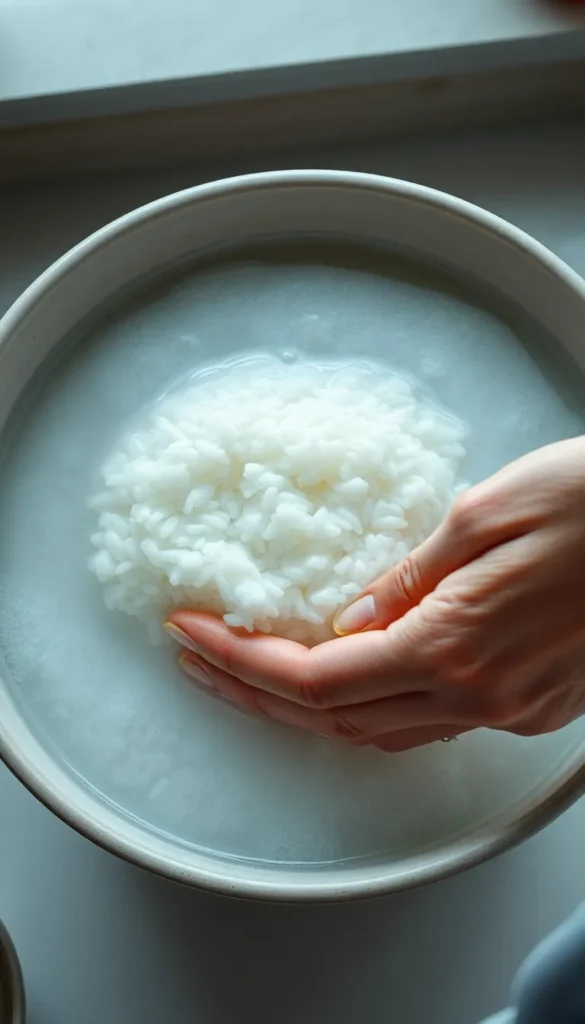
Short Answer: Yes, Always Wash Sushi Rice
Yes, you should wash sushi rice before cooking it.
Washing removes excess surface starch that can make the rice overly sticky, gummy, or mushy.
Professional sushi chefs consider washing rice a non-negotiable step. Skipping it can completely change the final texture and flavor of your sushi.
Why Washing Sushi Rice Is So Important
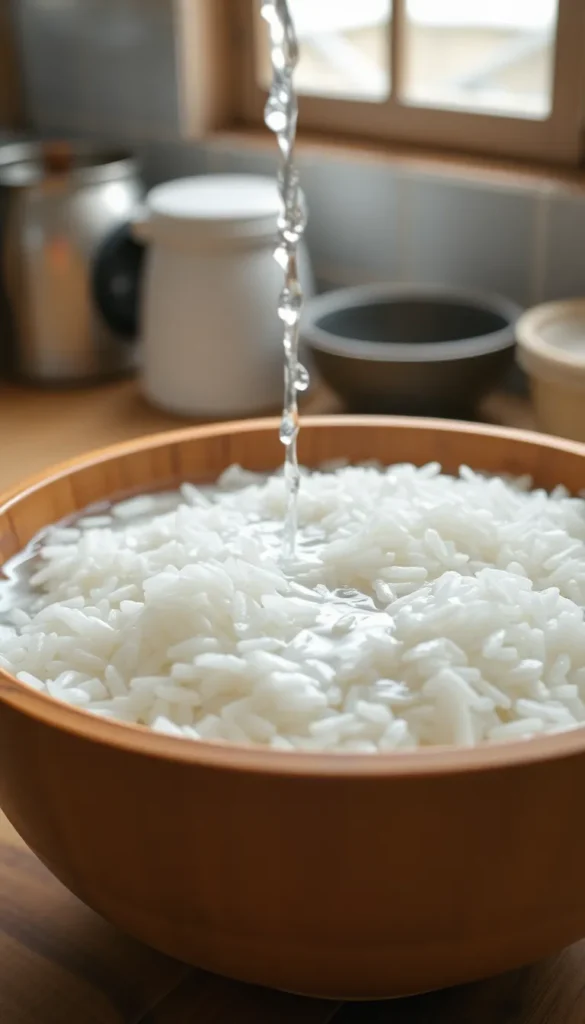
Removes Excess Surface Starch
Sushi rice naturally contains starch, but during processing, extra starch coats the grains. If you don’t wash it off:
- The rice becomes gluey
- Grains lose definition
- Texture turns heavy and wet
Washing helps achieve the perfect balance: sticky but fluffy.
Improves Texture and Mouthfeel
Good sushi rice should:
- Stick together without clumping
- Feel light, not pasty
- Separate gently in the mouth
Washing sushi rice ensures the grains cook evenly and don’t release too much starch into the cooking water.
Enhances Flavor Absorption
Clean rice absorbs:
- Water more evenly during cooking
- Vinegar seasoning better after cooking
Unwashed rice can block the vinegar mixture from penetrating properly, resulting in bland or unevenly seasoned sushi rice.
What Happens If You Don’t Wash Sushi Rice?
If you skip washing sushi rice, here’s what you’ll likely notice:
- Rice becomes overly sticky and dense
- Cooked rice looks cloudy instead of glossy
- Vinegar seasoning pools instead of absorbing
- Sushi rolls fall apart or feel heavy
While the rice may still be edible, it won’t have the clean, balanced texture that defines good sushi.
How to Wash Sushi Rice Properly (Step-by-Step)
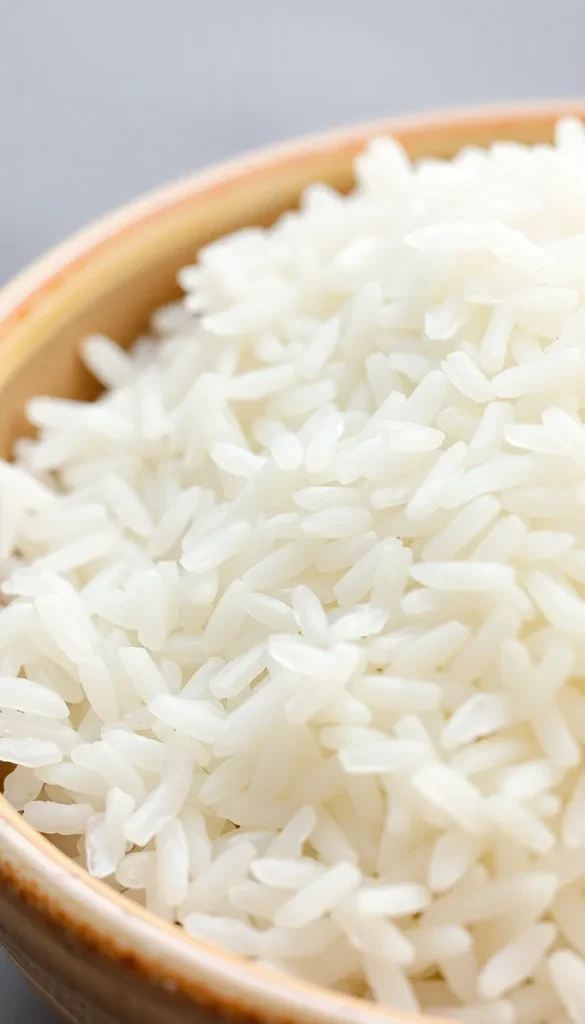
Washing sushi rice is simple, but technique matters.
Step 1: Measure the Rice
Use short-grain Japanese rice. Measure carefully, as water ratios depend on accurate amounts.
Step 2: Add Cold Water
Place rice in a bowl and add cold water until fully submerged.
Step 3: Gently Swirl
Using your fingers, gently swirl the rice in circular motions. Do not scrub aggressively, as this can break the grains.
Step 4: Drain the Water
Pour out the cloudy water immediately. This water contains excess starch.
Step 5: Repeat 3–5 Times
Repeat the process until the water looks mostly clear (not perfectly clear).
Pro tip: Slight cloudiness is fine—over-washing can damage the rice.
Step 6: Drain Completely
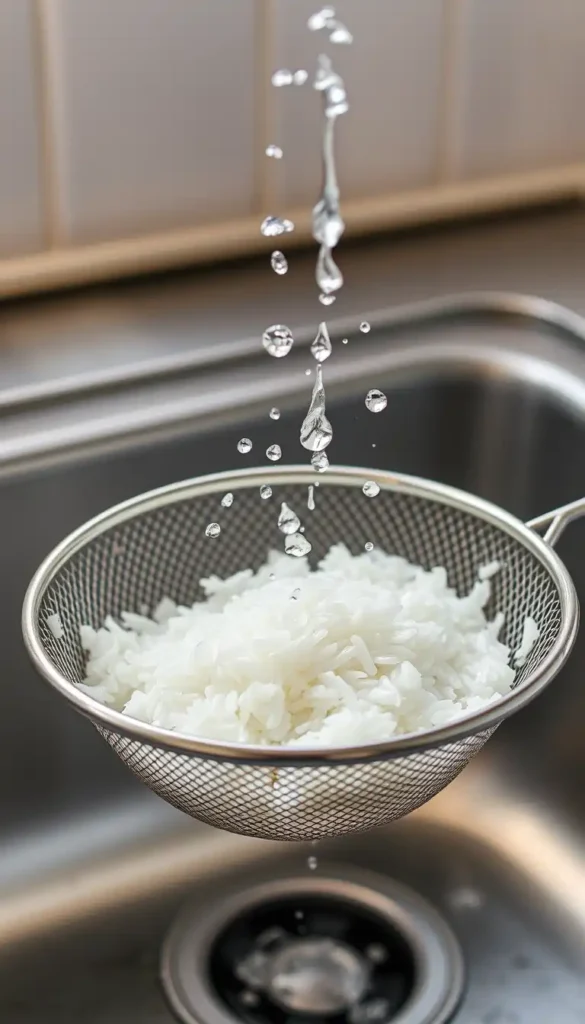
Let the rice sit in a sieve for 10–15 minutes before cooking. This helps with even water absorption.
Can You Overwash Sushi Rice?
Yes, it’s possible to overwash sushi rice.
If you wash it too aggressively or too many times:
- Grains may crack
- Texture becomes dry or crumbly
- Rice loses its natural aroma
The goal is clean, not stripped.
Should You Wash Packaged “Sushi Rice”?
Even if the package says “premium” or “polished,” you should still wash sushi rice.
Modern milling leaves fine starch dust behind. Washing ensures consistency and improves final results regardless of brand.
Do Japanese Sushi Chefs Wash Rice Differently?
Traditional sushi chefs:
- Wash rice gently by hand
- Pay close attention to water clarity
- Adjust washing based on rice freshness and season
Some high-end restaurants even adjust washing time based on humidity and rice age, proving how crucial this step is.
Should You Rinse Sushi Rice After Cooking?
No, Never Rinse Cooked Sushi Rice
Rinsing cooked sushi rice:
- Removes seasoning
- Ruins texture
- Makes rice soggy
Washing is only done before cooking, never after.
Does Washing Sushi Rice Remove Nutrients?
Washing sushi rice removes a very small amount of surface nutrients, but:
- Short-grain white rice is already refined
- Nutrient loss is minimal
- Texture and flavor benefits far outweigh any loss
For sushi, texture is the priority.
Should You Soak Sushi Rice After Washing?
Soaking sushi rice is optional but helpful.
Benefits of Soaking:
- More even cooking
- Better grain structure
- Improved stickiness without gumminess
A 20–30 minute soak after washing is ideal, especially if cooking on a stovetop.
Common Sushi Rice Washing Mistakes
Washing Too Hard
Aggressive rubbing breaks grains and releases unwanted starch.
Not Washing Enough
One quick rinse isn’t sufficient to remove excess starch.
Using Hot Water
Hot water activates starch prematurely. Always use cold water.
Skipping Drain Time
Cooking rice immediately after washing can cause an uneven texture.
How Washing Sushi Rice Affects Sushi Types
For Sushi Rolls (Maki)
Washing ensures rolls hold together without becoming heavy.
For Nigiri
Clean rice creates the delicate texture needed for fish pairing.
For Sushi Bowls
Washing prevents soggy, glue-like rice at the bottom of the bowl.