Simple, Flourless, Low-Carb Flatbread
Description
This Simple Flourless Low-Carb Flatbread is a soft, tender, pan-cooked bread alternative made without wheat flour. It is easy to prepare with a few everyday ingredients and can be served with eggs, grilled chicken, vegetables, or yoghurt dips; curries; or used as a wrap.
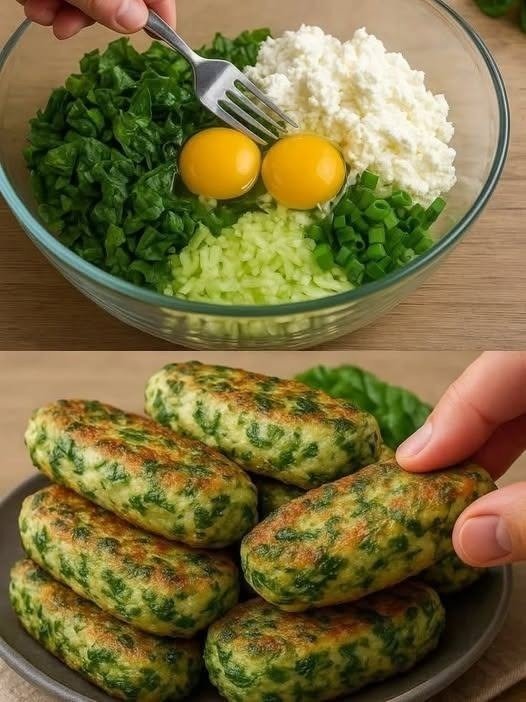
The flatbreads shown in the picture are soft, lightly golden, and sprinkled with fresh herbs. This homemade version is designed to create a similar comforting texture while keeping the recipe flour-free.
One important note: calling this recipe “zero carb” or saying you can “eat as much as you like” would be misleading. Eggs, dairy, vegetables, and other ingredients can contain carbohydrates, and calories still matter even when a recipe is low in carbohydrates. The exact nutrition depends on the ingredients used. This recipe is better described as flourless and lower-carb than traditional wheat flatbread.
The recipe is especially useful for people who want an alternative to conventional bread. It is naturally gluten-free when all packaged ingredients are certified gluten-free, and it can be adapted for different dietary preferences.
Fresh parsley, garlic, and a little olive oil give these flatbreads a delicious savoury flavour. They are best served warm, when the centres are soft and the edges have a lightly golden finish.
Ingredients
For the Flourless Flatbread
4 large eggs
1 cup cottage cheese
2 tablespoons grated Parmesan cheese
1 tablespoon olive oil
1/2 teaspoon salt
1/2 teaspoon garlic powder
1/2 teaspoon dried oregano
1/4 teaspoon black pepper
2 tablespoons finely chopped fresh parsley
1 tablespoon finely chopped fresh dill, optional
1/4 teaspoon baking powder
1 tablespoon water, if needed
For Cooking
1 teaspoon olive oil or cooking spray
Optional Garlic Herb Topping
1 tablespoon melted butter or olive oil
1 small garlic clove, finely minced
1 tablespoon chopped fresh parsley
Pinch of dried oregano
Step-by-Step Instructions
Prepare the Batter
Add the eggs, cottage cheese, Parmesan cheese, olive oil, salt, garlic powder, oregano, black pepper, and baking powder to a blender.
Blend for approximately 30 to 45 seconds until the mixture becomes smooth and creamy.
If your cottage cheese is particularly thick, add 1 tablespoon of water and blend again.
The batter should be smooth and pourable but not watery.
Add the chopped parsley and dill after blending and stir them into the mixture. Keeping the herbs slightly visible gives the flatbreads a beautiful homemade appearance.
Rest the Batter
Allow the mixture to rest for approximately 5 minutes.
This gives the ingredients time to settle and allows the baking powder to begin working.
While the batter rests, heat a nonstick skillet over medium-low heat.
Cook the flatbread
Lightly grease the skillet with a small amount of olive oil.
Pour approximately 1/4 cup of batter into the centre of the pan.
Use the back of a spoon or gently tilt the skillet to spread the batter into a round shape.
Keep the flatbread relatively thin. A thinner layer will cook more evenly and become easier to fold.
Cook for approximately 2 to 3 minutes, or until the bottom is lightly golden and the top begins to set.
Carefully flip the flatbread using a wide spatula.
Cook the second side for another 1 to 2 minutes until golden and cooked through.
Transfer the finished flatbread to a plate.
Repeat with the remaining batter.
Make the Garlic Herb Topping
For extra flavour, combine melted butter or olive oil with minced garlic, chopped parsley, and oregano.
Brush a small amount over each warm flatbread.
Serve immediately.
Cooking Notes
The most important part of this recipe is controlling the heat.
If the skillet is too hot, the outside may brown quickly while the centre remains soft and difficult to flip.
Medium-low heat gives the flatbread enough time to cook evenly.
A good nonstick skillet makes flipping much easier.
The batter should not be extremely thick. If it does not spread easily, add a small amount of water and blend again.
Because cottage cheese varies between brands, the exact consistency of the batter can change. A slightly thicker cottage cheese may produce a thicker batter.
For thinner wraps, spread the batter more thinly in the skillet.
For softer, thicker flatbreads, use a little more batter and cook over lower heat.
Tips for Perfect Flourless Flatbread
Use room-temperature eggs if possible because they blend more easily with the cottage cheese.
Blend the cottage cheese thoroughly to create a smoother texture.
Do not overcrowd the skillet. Cook one flatbread at a time unless you have a large griddle.
Keep the heat moderate so the flatbread cooks without burning.
Use a flexible silicone or wide spatula for easier flipping.
Allow the cooked flatbreads to cool for a minute before folding them.
If making wraps, avoid overcooking because excessive cooking can make them less flexible.
For extra garlic flavour, add fresh garlic directly to the batter instead of only using garlic powder.
Fresh parsley and dill add freshness, but you can replace them with cilantro, chives, or green onion.
How to Make Them More Flexible
If you want to use these flatbreads as wraps, cook them slightly less than you would for a crispier flatbread.
As soon as the surface is set and the underside is lightly golden, flip the flatbread.
Do not let the edges become extremely dark or dry.
Stack finished flatbreads on a plate and cover them loosely with a clean kitchen towel. The gentle steam helps maintain a softer texture.
Flavour Variations
Garlic Parmesan Flatbread
Increase the Parmesan to 3 tablespoons and add an extra small garlic clove to the batter.
Herb Flatbread
Add parsley, dill, oregano, chives, and a small amount of rosemary.
Spicy Flatbread
Add crushed red pepper flakes, paprika, or a pinch of cayenne pepper.
Mediterranean Flatbread
Add oregano, parsley, garlic, and a small amount of crumbled feta after cooking.
Cheesy Flatbread
Add shredded mozzarella or cheddar to the batter for a richer version.
Breakfast Flatbread
Serve the flatbread with scrambled eggs, avocado, tomatoes, and Greek yoghurt.
Serving Suggestions
These flourless flatbreads are extremely versatile.
Serve them alongside grilled chicken, fish, roasted vegetables, soups, or salads.
They can also be used as wraps. Fill them with grilled chicken, lettuce, cucumber, tomato, and a yoghurt-garlic sauce.
For breakfast, serve them with eggs and avocado.
For a snack, spread them with hummus, cottage cheese, or Greek yoghurt.
They can also replace traditional bread alongside soups and stews.
For a Mediterranean-style meal, serve them with grilled vegetables, olives, feta cheese, cucumber, and tzatziki.
Benefits of the Main Ingredients
Eggs
Eggs provide high-quality protein and important nutrients such as vitamin B12, selenium, and choline. Protein can contribute to fullness and helps support normal muscle maintenance.
Cottage Cheese
Cottage cheese is a convenient source of protein and calcium. Choosing a lower-fat or reduced-sodium version can change the overall nutritional profile.
Fresh Herbs
Parsley and dill contribute flavour without requiring large amounts of salt or sugar. They also provide small amounts of vitamins and plant compounds.
Parmesan Cheese
Parmesan adds protein, calcium, and a strong savoury flavour, allowing you to use a relatively small amount while still making the flatbread flavourful.
Olive Oil
Olive oil provides unsaturated fat and helps give the flatbread a softer texture and pleasant flavour.
Is This Flatbread Really Zero Carb?
No recipe should automatically be called zero-carb unless its ingredients and serving contain essentially no carbohydrates, and even then, labelling can depend on nutritional definitions.
Eggs contain a small amount of carbohydrate, while cottage cheese and Parmesan can also contain some carbohydrates. If you add herbs or other ingredients, the total can increase slightly.
This recipe contains substantially less carbohydrate than many traditional wheat-based breads, but it is not accurate to say that it contains absolutely zero carbohydrates.
Likewise, there is no need to eat unlimited amounts simply because a recipe is lower in carbohydrates. Portion size still matters because calories, protein, and fat contribute to your overall intake.
Is This Flatbread Good for Weight Management?
It can be included in a weight-management eating pattern because it is flourless and provides protein.
However, eating this flatbread alone does not cause weight loss.
Weight management depends on your overall food intake, physical activity, sleep, genetics, and other individual factors.
For a more balanced meal, pair one or two flatbreads with vegetables and a protein source rather than relying on the bread as the entire meal.
If you are following a medically prescribed low-carbohydrate diet, calculate the carbohydrates using the exact brands and quantities you use.
Storage Instructions
Allow the flatbreads to cool completely before storing.
Place them in an airtight container with parchment paper between the pieces to prevent sticking.
Refrigerate for up to 3 days.
To reheat, warm them in a dry skillet over low heat for approximately 30 to 60 seconds per side.
You can also reheat them briefly in the microwave, although they may become softer.
For longer storage, place parchment paper between individual flatbreads and freeze them in a sealed freezer-safe bag.
Thaw in the refrigerator before reheating.
Q/A
Q: Is this recipe completely carb-free?
No. It is flourless and relatively low in carbohydrates compared with traditional bread, but the eggs, cottage cheese, and other ingredients can contain small amounts of carbohydrates.
Q: Can I make this without cottage cheese?
Cottage cheese is important for the texture of this particular recipe. Replacing it will change the consistency, although other soft dairy ingredients can be tested.
Q: Can I make the flatbread without Parmesan?
Yes. You can leave it out, although the flavor and texture will be slightly different.
Q: Why is my flatbread breaking when I flip it?
The batter may be too thin, the flatbread may not have cooked long enough, or you may be flipping it too early. Let the surface set before turning it.
Q: Why is my flatbread sticking to the pan?
Use a good nonstick skillet and lightly grease it before cooking. Make sure the skillet is properly heated before adding the batter.
Q: Can I use these as wraps?
Yes. Make them slightly thinner and avoid overcooking them so they remain flexible.
Q: Can I add vegetables?
Yes. Finely chopped spinach, green onion, parsley, or grated zucchini can be added, but vegetables with high moisture should be squeezed dry first.
Q: Can I make them ahead of time?
Yes. Refrigerate cooked flatbreads in an airtight container and reheat gently before serving.
Q: Are they gluten-free?
The recipe contains no wheat flour, but if you require a medically strict gluten-free diet, check every packaged ingredient for gluten contamination or certification.
Servings
This recipe makes approximately 8 small flatbreads.
Serving Size: 2 small flatbreads
Preparation Time: 10 minutes
Cooking Time: Approximately 20 minutes
Total Time: Approximately 30 minutes
Nutritional Information
Approximate nutrition for 2 small flatbreads, before optional toppings:
Calories: 190 kcal
Protein: 14g
Carbohydrates: 4g
Dietary Fiber: 0g
Fat: 13g
Saturated Fat: 4g
Sugar: 2g
Sodium: 430mg
Calcium: 150mg
These values are estimates and can vary considerably depending on the cottage cheese, Parmesan, egg size, and amount of oil used.
Final Thoughts
Simple Flourless Low-Carb Flatbread is a delicious alternative to traditional bread when you want something soft, savory, and easy to prepare without wheat flour.
The combination of eggs, cottage cheese, Parmesan, garlic, and fresh herbs creates a flavorful flatbread that works beautifully for breakfast, lunch, dinner, or snacks. You can enjoy it alongside a meal, use it as a wrap, or serve it with dips and vegetables.