If you’re searching for the best Spanish flan recipe, you’re in the right place. Spanish flan is one of those timeless desserts that proves simple ingredients can create extraordinary results. With its silky-smooth custard and deep caramel flavor, flan has earned its spot on tables across Spain — from family kitchens to elegant restaurants.
This guide will walk you through an authentic, traditional Spanish flan recipe, explain why it works so well, and share tips to help you achieve that perfectly smooth texture every single time. No shortcuts. No modern gimmicks. Just classic Spanish technique, explained clearly for home cooks.
What Is Traditional Spanish Flan?
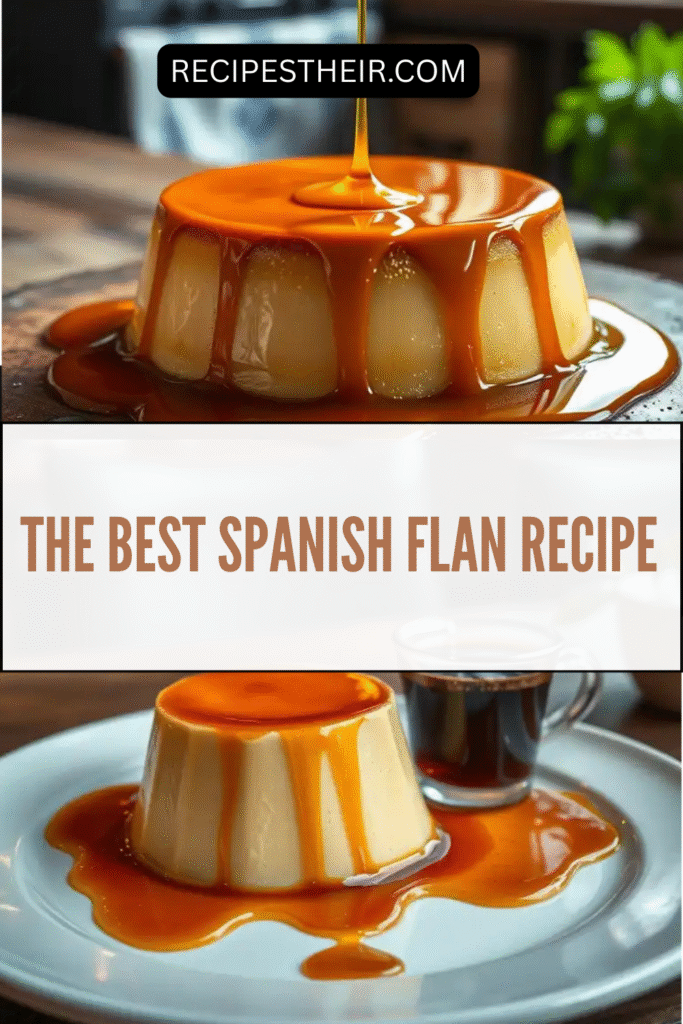
Spanish flan (often called flan de huevo) is a baked custard dessert topped with liquid caramel. Unlike some modern versions that use heavy cream or condensed milk, traditional Spanish flan relies on whole milk and eggs, creating a lighter but incredibly creamy texture.
Key characteristics of authentic Spanish flan:
- Silky and smooth, never rubbery
- Gently sweet, not overpowering
- Deep caramel flavor without bitterness
- Served chilled and unmolded before serving
This balance is exactly what makes the best Spanish flan recipe so memorable.
Why This Is the Best Spanish Flan Recipe
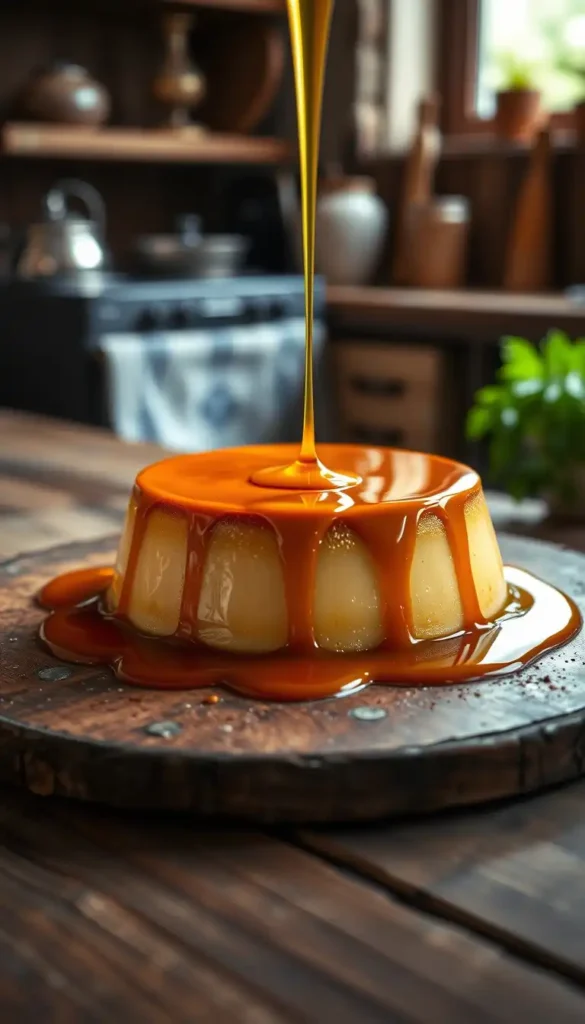
There are hundreds of flan recipes online, but many miss the mark. This one stays true to Spanish tradition while being reliable for home kitchens.
What makes this recipe stand out:
- Uses whole milk instead of cream
- Correct egg-to-milk ratio for smooth texture
- Proper caramel technique to avoid bitterness
- Water bath baking method for even cooking
- Clear timing to prevent overbaking
This is the same style of flan you’ll find in Spanish homes and classic cafés.
Ingredients for the Best Spanish Flan Recipe
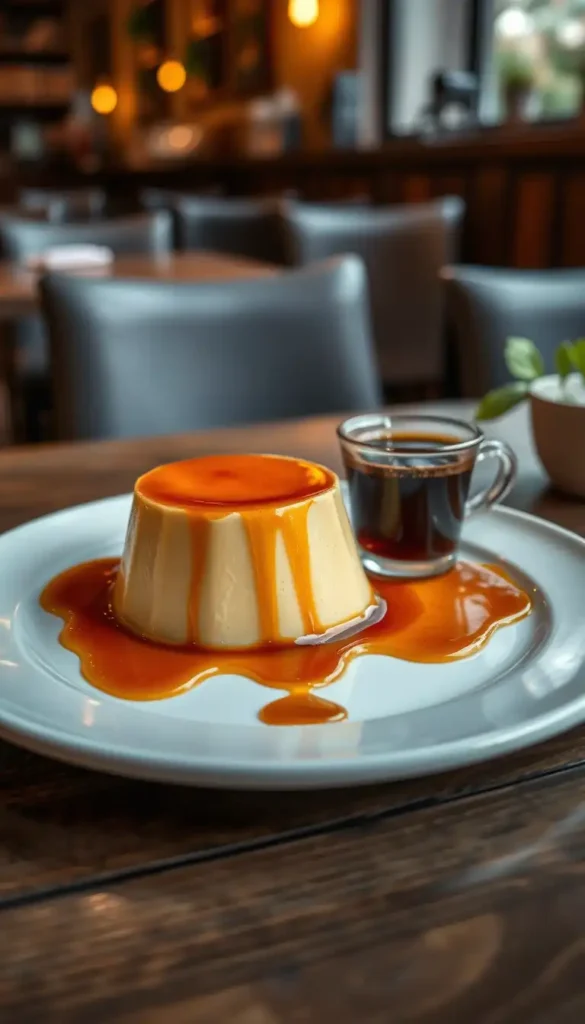
One of the reasons flan is so beloved is its simplicity. You only need a few ingredients, but quality matters.
For the Caramel
- 1 cup granulated sugar
- 3 tablespoons water
For the Custard
- 4 large eggs (room temperature)
- 2 cups whole milk
- ½ cup granulated sugar
- 1 teaspoon pure vanilla extract (optional but traditional in many regions)
Essential Tools You’ll Need
Before starting, gather these tools for the best results:
- Medium saucepan
- Heat-proof flan mold or round baking dish
- Large baking pan (for water bath)
- Whisk
- Fine mesh strainer
- Aluminum foil
Using the right tools helps ensure the best Spanish flan recipe turns out flawless.
Step-by-Step – How to Make the Best Spanish Flan Recipe
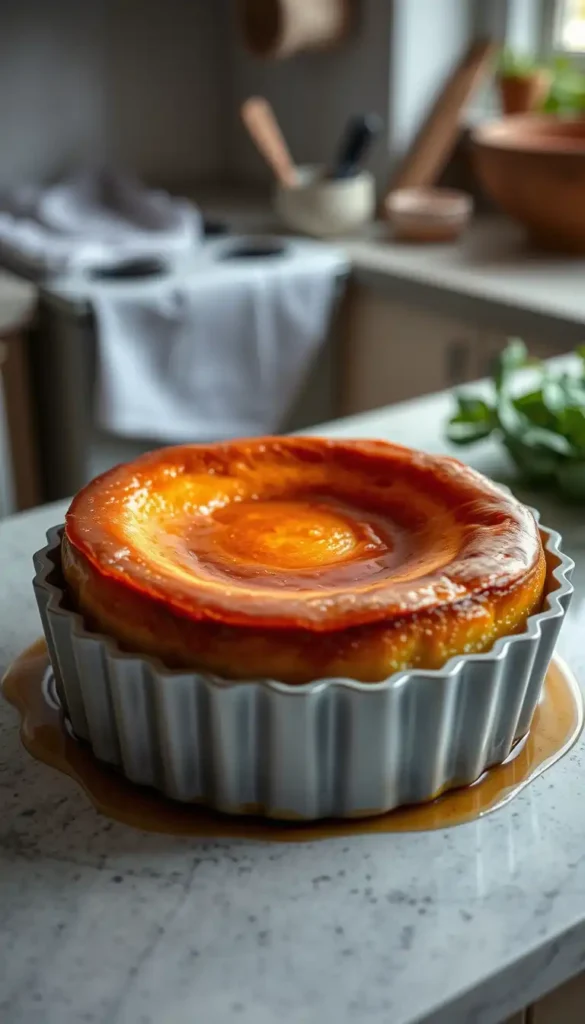
Step 1: Make the Caramel
Add the sugar and water to a saucepan over medium heat. Do not stir once it starts boiling. Gently swirl the pan as the sugar melts and turns amber.
Watch closely — caramel can burn quickly. Once it reaches a deep golden color, immediately pour it into your flan mold, tilting to coat the bottom evenly. Set aside to harden.
Tip: If the caramel smells burnt, start again. Burnt caramel will ruin the flan’s flavor.
Step 2: Prepare the Custard
In a mixing bowl, whisk the eggs gently. Avoid beating air into them — air bubbles cause holes in the custard.
Warm the milk slightly (not boiling), then slowly add it to the eggs while whisking. Add sugar and vanilla, mixing gently until just combined.
For ultra-smooth texture, strain the mixture through a fine mesh strainer before pouring it into the caramel-lined mold.
Step 3: Set Up the Water Bath
Place the flan mold into a larger baking pan. Carefully pour hot water into the outer pan until it reaches halfway up the sides of the flan mold.
This bain-marie method is essential for the best Spanish flan recipe because it:
- Prevents curdling
- Ensures even cooking
- Keeps the custard silky
Cover the flan mold loosely with foil.
Step 4: Bake the Flan
Bake in a preheated oven at 160°C (325°F) for 50–60 minutes.
The flan is done when:
- The edges are set
- The center still jiggles slightly like gelatin
Overbaking is the most common mistake — remove it while it still has a gentle wobble.
Step 5: Cool and Chill
Remove the flan from the water bath and let it cool to room temperature. Then refrigerate for at least 4 hours, preferably overnight.
Chilling allows the custard to fully set and the caramel to liquefy beautifully.
How to Unmold Spanish Flan Perfectly
Run a thin knife around the edges of the flan. Place a plate on top of the mold, then invert quickly and confidently.
Give it a gentle shake if needed — the flan should release smoothly, bathing itself in caramel sauce.
Common Mistakes to Avoid
Even experienced cooks can slip up. Avoid these errors to ensure the best Spanish flan recipe every time:
- ❌ Overcooking the custard
- ❌ Beating eggs too aggressively
- ❌ Skipping the water bath
- ❌ Using low-fat milk
- ❌ Burning the caramel
Flavor Variations (Still Authentic)
While classic flan is perfect as-is, these subtle variations are still Spanish-approved:
Citrus Flan
Add a strip of lemon or orange peel to the warm milk (remove before mixing).
Cinnamon Flan
Warm the milk with a cinnamon stick for a gentle spice note.
Coffee Flan
Dissolve 1 teaspoon instant espresso in the milk for a café-style twist.
How to Serve Spanish Flan
Spanish flan is traditionally served:
- Chilled
- Plain, without toppings
- With extra caramel sauce spooned over
It pairs beautifully with:
- Fresh berries
- Strong coffee
- Espresso or café cortado
How Long Does Spanish Flan Last?
Stored properly in the refrigerator:
- Keeps fresh for 3–4 days
- Best texture within the first 48 hours
Always keep it covered to prevent absorbing fridge odors.
Is Spanish Flan Gluten-Free?
Yes! This recipe contains no flour or starch, making it naturally gluten-free and suitable for many dietary needs.
Final Thoughts: Why This Is the Best Spanish Flan Recipe
This recipe stays true to Spanish tradition while being approachable for home cooks. It’s smooth, elegant, and deeply comforting — the kind of dessert that never goes out of style.