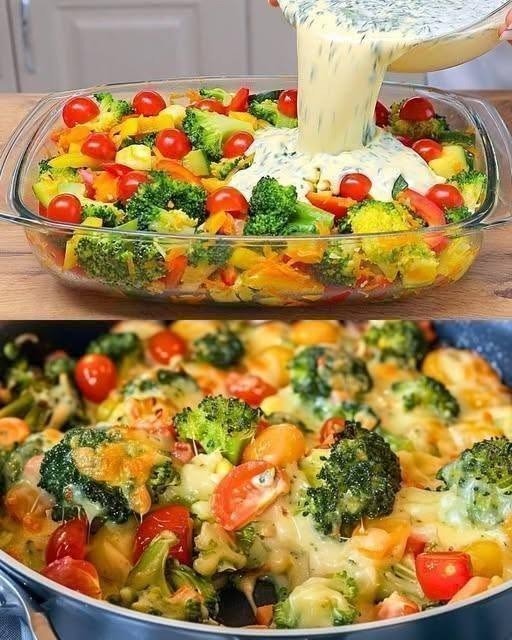
Butter Shrimp with Sautéed Vegetables (Diabetic-Friendly)
Description
Enjoy a delicious, colourful, and satisfying meal with this Butter Shrimp with Sautéed Vegetables recipe! 🍤 This easy dish combines tender shrimp cooked in a flavourful garlic butter sauce with crisp-tender vegetables for a fresh, wholesome dinner that’s perfect for busy weeknights.
The shrimp are seasoned with garlic, black pepper, paprika, and a squeeze of fresh lemon juice, then cooked until juicy and tender. Bell peppers, zucchini, broccoli, and carrots add beautiful colour, texture, and nutrients, while a touch of butter brings everything together with rich, savoury flavour.
This recipe is designed to be lower in carbohydrates than many traditional shrimp dishes because it doesn’t rely on breading, sugary sauces, or large amounts of refined starches. It can be a good option for people managing blood sugar when served in appropriate portions as part of a balanced eating plan. Individual blood glucose responses vary, so portion sizes and personal dietary needs still matter.
Whether you’re preparing a quick lunch, a light dinner, or a simple meal for the whole family, this butter shrimp recipe is easy to customise and full of flavour.
Recipe Details
-
Prep Time: 15 minutes
-
Cook Time: 15 minutes
-
Total Time: 30 minutes
-
Servings: 4
-
Course: Lunch or Dinner
-
Cuisine: American-inspired
-
Cooking Method: Stovetop
-
Dietary Features: High in protein, relatively low in carbohydrates, and gluten-free when all ingredients are verified gluten-free
Ingredients
For the Butter Shrimp
-
1 pound of large shrimp, peeled and deveined
-
2 tablespoons unsalted butter
-
1 tablespoon olive oil
-
4 garlic cloves, minced
-
1 tablespoon fresh lemon juice
-
½ teaspoon paprika
-
½ teaspoon black pepper
-
¼ teaspoon salt, or to taste
-
1 tablespoon fresh parsley, chopped
-
Lemon wedges, for serving
For the Sautéed Vegetables
-
1 medium zucchini, sliced
-
1 medium red bell pepper, sliced
-
1 cup broccoli florets
-
1 medium carrot, thinly sliced
-
½ small red onion, sliced
-
1 tablespoon olive oil
-
½ teaspoon Italian seasoning
-
¼ teaspoon black pepper
-
A small pinch of salt, optional
Optional Seasonings
-
¼ teaspoon red pepper flakes for heat
-
½ teaspoon lemon zest for extra freshness
-
1 tablespoon chopped fresh parsley for garnish
Instructions
Step 1: Prepare the Shrimp
If using frozen shrimp, thaw them completely according to the package instructions. Peel and devein if necessary, then rinse only if appropriate for your preparation method and pat dry thoroughly with paper towels.
Place the shrimp in a bowl and season with paprika, black pepper, and a small amount of salt. Add the lemon juice and toss gently to coat.
Set aside while you prepare the vegetables. Avoid leaving the shrimp in lemon juice for too long, as the acid can begin to change their texture.
Step 2: Prepare the Vegetables
Wash the zucchini, bell pepper, broccoli, carrot, and red onion thoroughly.
Slice the zucchini into half-moons, cut the bell pepper into thin strips, separate the broccoli into small florets, thinly slice the carrot, and slice the onion.
Try to keep the pieces relatively uniform so they cook evenly. Cut the carrot a little thinner than the zucchini because it generally takes longer to soften.
Step 3: Sauté the Vegetables
Heat 1 tablespoon of olive oil in a large skillet over medium-high heat.
Add the carrot and broccoli first. Sauté for approximately 3–4 minutes, stirring occasionally. If the broccoli needs additional help softening, add 1–2 tablespoons of water and cover the skillet briefly.
Add the zucchini, bell pepper, and red onion. Sprinkle with Italian seasoning and black pepper.
Continue cooking for another 4–5 minutes, stirring occasionally, until the vegetables are tender-crisp. They should retain some texture rather than becoming mushy.
Transfer the vegetables to a clean plate and set aside.
Step 4: Prepare the Garlic Butter
Reduce the heat to medium and add the butter to the same skillet. Allow it to melt gently.
Add the minced garlic and cook for approximately 30–60 seconds, stirring constantly until fragrant.
Avoid browning the garlic too much, as burnt garlic can make the entire dish taste bitter.
For extra flavour, add the optional lemon zest or a pinch of red pepper flakes.
Step 5: Cook the Shrimp
Add the seasoned shrimp to the skillet in a single layer.
Cook for approximately 1–2 minutes on the first side, then turn each shrimp over and cook for another 1–2 minutes, depending on size.
The shrimp should turn pink and opaque and reach an internal temperature of 145°F (63°C). Avoid overcooking, as shrimp become tough and rubbery when left on the heat for too long.
If the skillet becomes dry, add a tablespoon of water or a little extra lemon juice rather than adding large amounts of butter.
Step 6: Combine the Shrimp and Vegetables
Return the sautéed vegetables to the skillet with the cooked shrimp.
Toss gently for 1–2 minutes so the vegetables become coated with the garlic butter and the flavours blend together.
Taste and adjust the seasoning with a little more black pepper, lemon juice, or parsley if desired.
Step 7: Garnish and Serve
Remove the skillet from the heat. Sprinkle with freshly chopped parsley and serve with lemon wedges.
Enjoy the shrimp and vegetables on their own for a lower-carbohydrate meal, or pair them with a suitable portion of brown rice, quinoa, or another whole grain if that fits your individual meal plan.
Serve immediately while the shrimp are tender and the vegetables are colourful and fresh.
Helpful Notes
-
Use unsalted butter: This allows you to control the sodium content more easily.
-
Choose fresh or properly thawed shrimp: Patting the shrimp dry helps them cook evenly.
-
Avoid overcooking: Shrimp cook quickly and should be removed from the heat once opaque and cooked through.
-
Cut vegetables evenly: Uniform pieces help prevent some vegetables from becoming mushy while others remain undercooked.
-
Control the butter: A measured amount provides flavour without making the dish unnecessarily heavy.
-
Skip sugary sauces: Commercial stir-fry sauces can contain added sugar and carbohydrates.
-
Check packaged ingredients: Seasonings, broths, and sauces may contain added sugars or unexpected ingredients.
-
Customise the vegetables: Green beans, mushrooms, asparagus, or cauliflower can also work well.
Tips for the Best Butter Shrimp
1. Cook the vegetables first. Shrimp cook much faster than most vegetables. Cooking them separately prevents the shrimp from becoming rubbery while the vegetables soften.
2. Use medium heat for the garlic butter. Garlic burns quickly, so lower the heat before adding it.
3. Keep the shrimp in a single layer. If your skillet is too crowded, cook the shrimp in batches for more even results.
4. Add lemon at the end if needed. A final squeeze of lemon brightens the dish without requiring extra butter or salt.
5. Make it spicy. Add a pinch of chilli flakes or cayenne pepper for a little heat.
6. Choose vegetables you enjoy. A combination of broccoli, zucchini, and peppers gives the meal colour and variety, but you can use whatever suitable vegetables you have available.
7. Measure your portions. If you’re monitoring carbohydrate intake or blood glucose, remember that carrots and onions contain carbohydrates too, even though the recipe contains no added sugar.
Serving Suggestions
This butter shrimp dish is versatile enough to serve in several ways:
-
Lower-carbohydrate plate: Serve with extra broccoli, zucchini, or leafy greens.
-
Balanced dinner: Add a measured serving of brown rice or quinoa if appropriate for your dietary needs.
-
Fresh salad: Pair with cucumber, tomatoes, lettuce, and a simple olive oil and lemon dressing.
-
Cauliflower rice: A useful alternative to regular rice when you’re looking for a lower-carbohydrate side.
-
Roasted vegetables: Serve with roasted cauliflower, asparagus, or green beans.
-
Lemon herb bowl: Place the shrimp and vegetables over greens and finish with parsley and fresh lemon.
For people managing diabetes, the best side dish and portion size depend on individual glucose responses, medications, appetite, and overall nutrition needs.
Storage and Reheating
Refrigerator: Store leftovers in an airtight container and refrigerate within 2 hours of cooking. Use within 3–4 days.
Freezing: You can freeze the cooked shrimp and vegetables in a freezer-safe container, although the vegetables may become softer after thawing. For best quality, use within 2–3 months.
Reheating: Warm gently in a skillet over medium-low heat until the shrimp reach 165°F (74°C). Add a small splash of water if needed to prevent drying. Avoid prolonged reheating because shrimp can become tough.
Meal prep: You can chop the vegetables in advance and store them separately in the refrigerator. For the best texture, cook the shrimp shortly before serving.
Nutritional Information
The following values are estimates based on four servings and the ingredients listed above. Actual nutrition will vary with shrimp size, vegetable quantities, and how much butter and oil remain in each portion.
| Nutrient | Approximate Amount Per Serving |
|---|---|
| Calories | 280–330 |
| Protein | 27–32 g |
| Total Carbohydrates | 12–17 g |
| Dietary Fibre | 3–5 g |
| Total Fat | 14–19 g |
| Saturated Fat | 5–7 g |
| Sugar | 5–8 g |
| Sodium | 350–550 mg |
These estimates assume no additional rice, bread, or dipping sauce. The dish contains no added sugar when prepared as written.
Benefits of Butter Shrimp with Sautéed Vegetables
1. Provides protein: Shrimp supplies protein, which supports muscle maintenance and normal body functions.
2. Includes a variety of vegetables: broccoli, zucchini, bell pepper, carrots, and onion provide fibre, vitamins, minerals, and beneficial plant compounds.
3. Relatively low in carbohydrates: Compared with breaded shrimp or meals served with large portions of refined grains, this recipe contains fewer carbohydrates.
4. Offers portion flexibility: You can adjust the vegetable-to-shrimp ratio and choose a side dish according to your appetite and nutritional needs.
5. Helps make home cooking convenient: The recipe takes approximately 30 minutes and uses straightforward ingredients.
6. Allows control over added sugar: Unlike some prepared sauces, the homemade garlic butter seasoning doesn’t require added sugar.
Important note for diabetes: No recipe can guarantee stable blood glucose or replace medical treatment. The carbohydrate content of the whole meal, portion size, medications, and individual response all matter. If you monitor blood glucose, follow your healthcare professional’s advice on meal planning and testing.
Frequently Asked Questions (Q&A)
Q1: Is butter shrimp with sautéed vegetables diabetic-friendly?
It can be a suitable option for many people with diabetes because shrimp is high in protein and the dish contains vegetables without a sugary sauce. However, individual needs differ, and the overall meal portion and carbohydrate intake should be considered.
Q2: Can I use frozen shrimp?
Yes. Thaw the shrimp safely according to the package instructions, drain well, and pat dry before seasoning and cooking.
Q3: Can I make this recipe without butter?
Absolutely. Use olive oil instead. The flavor will be slightly different, but the dish will still be delicious.
Q4: What vegetables can I substitute?
You can use mushrooms, asparagus, green beans, cauliflower, or other vegetables you enjoy. Cooking times may vary depending on their size and texture.
Q5: Can I use pre-cooked shrimp?
Yes, but add them near the end and heat just until warmed through. Overcooking pre-cooked shrimp can make them tough.
Q6: Can I make this recipe spicy?
Yes. Add red pepper flakes, cayenne pepper, or a little chili powder to the seasoning.
Q7: What can I serve instead of rice?
Cauliflower rice, leafy greens, roasted broccoli, or extra sautéed vegetables are good lower-carbohydrate options.
Q8: How do I prevent shrimp from becoming rubbery?
Cook them briefly over medium to medium-high heat, turn once, and remove them as soon as they are opaque and reach 145°F (63°C).
Q9: Can I prepare this recipe ahead of time?
Yes. You can prepare the vegetables and measure the seasonings in advance. For the best texture, cook the shrimp shortly before serving or reheat leftovers gently.
Q10: Is this recipe gluten-free?
The listed ingredients are naturally gluten-free, but check packaged seasonings and any optional sauces for gluten-containing ingredients or cross-contact warnings.
Final Thoughts
Butter Shrimp with Sautéed Vegetables is a simple, colorful, and flavorful meal that brings tender shrimp, garlic butter, fresh lemon, and crisp-tender vegetables together in one skillet.
It’s easy to customize, quick enough for busy weeknights, and can fit into a balanced eating plan for many people managing diabetes. Serve it with extra vegetables or an appropriate portion of whole grains to create a meal that suits your preferences.