Italian cuisine is celebrated worldwide for its rich flavors, aromatic herbs, and comforting dishes. While pasta, pizza, and sauces are staples, the secret behind their mouthwatering taste often lies in Italian seasoning. Whether you’re a seasoned home cook or a kitchen newbie, making your own Italian seasoning is not only easy but also allows you to customize flavors to your preference. In this article, we’ll walk you through the perfect Italian seasoning recipe, tips for storing it, and creative ways to use it in your meals.
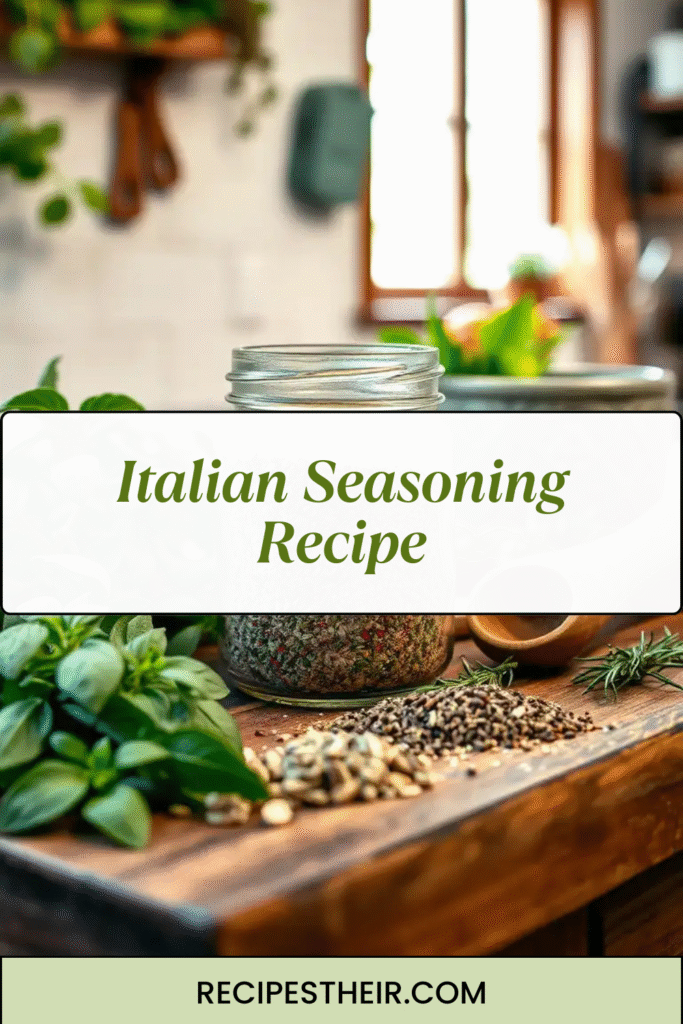
What is Italian Seasoning?
Italian seasoning is a blend of dried herbs commonly used in Italian cooking. While the exact mix can vary depending on region and preference, it typically includes:
- Basil – Adds a sweet, peppery flavor.
- Oregano – Offers a slightly bitter, aromatic taste.
- Thyme – A subtle earthy undertone.
- Rosemary – Fragrant and pine-like.
- Marjoram – Mild and citrusy.
- Sage – Slightly peppery and minty (optional in some blends).
The beauty of making your own Italian seasoning is that you can adjust the ratios based on your taste. Store-bought blends often contain salt, anti-caking agents, or preservatives, but a homemade version is pure and fresh, giving your dishes a more authentic Italian flavor.
Why Make Your Own Italian Seasoning?
Here are a few compelling reasons to make Italian seasoning at home:
- Freshness – Dried herbs lose flavor over time. Making your own ensures you have vibrant, aromatic seasoning.
- Customizable – Prefer more basil or less thyme? You’re in control.
- Cost-effective – Buying individual herbs in bulk is cheaper than purchasing pre-mixed seasoning packets.
- No additives – Homemade blends are free of preservatives, artificial flavors, or excess salt.
Italian Seasoning Recipe (Step-by-Step)
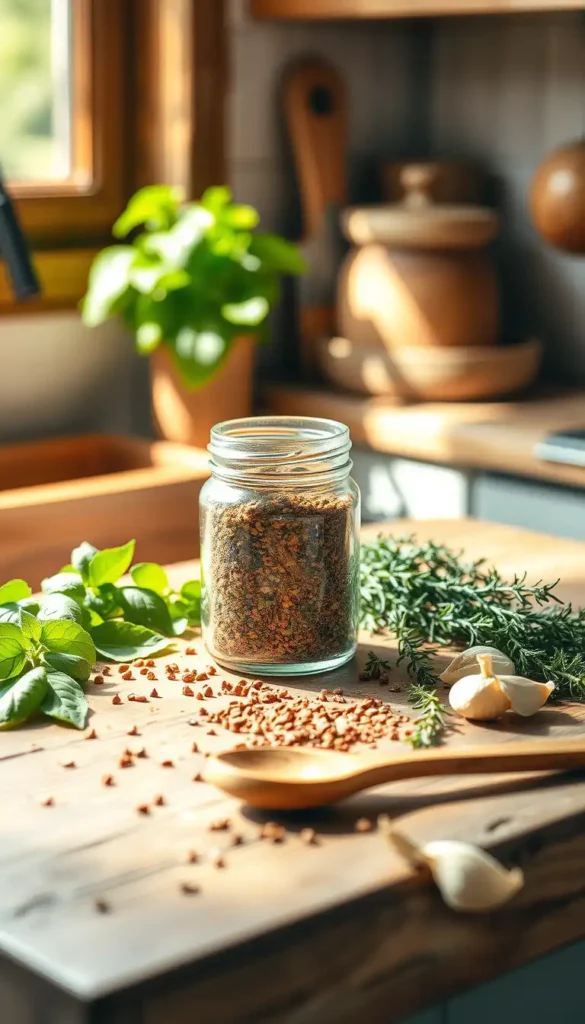
Here’s a simple Italian seasoning recipe you can make in less than 10 minutes:
Ingredients:
- 2 tablespoons dried basil
- 2 tablespoons dried oregano
- 1 tablespoon dried thyme
- 1 tablespoon dried rosemary
- 1 tablespoon dried marjoram
- 1 teaspoon dried sage (optional)
Optional Add-ins: Crushed red pepper flakes, garlic powder, onion powder
Instructions:
- Combine Herbs: In a small bowl, mix all dried herbs until evenly combined.
- Grind (Optional): For a finer texture, pulse the mixture in a spice grinder or mortar and pestle. This makes it easier to sprinkle on dishes.
- Store: Transfer the seasoning to an airtight jar or container. Keep it in a cool, dark place to preserve flavor for up to 6 months.
Pro Tip: Avoid storing near the stove or sunlight, as heat and light can reduce the potency of dried herbs.
Tips for the Perfect Italian Seasoning
- Use high-quality dried herbs: Fresher herbs provide more aroma and flavor.
- Adjust proportions: If you prefer a more earthy flavor, add extra thyme or rosemary. For a sweeter, milder taste, increase basil and marjoram.
- Crush before mixing: Lightly crushing the herbs with a mortar releases essential oils, enhancing flavor.
- Make small batches: Herbs lose potency over time, so making small batches ensures freshness.
Creative Ways to Use Italian Seasoning
Italian seasoning isn’t just for pasta sauces! Here are some ways to use it in everyday cooking:
- Pasta Dishes: Sprinkle over spaghetti, fettuccine, or lasagna for an instant flavor boost.
- Pizza: Mix into tomato sauce or sprinkle on top before baking.
- Roasted Vegetables: Toss vegetables like zucchini, bell peppers, or carrots with olive oil and Italian seasoning.
- Marinades: Combine with olive oil, lemon juice, and garlic for chicken, beef, or seafood marinades.
- Soups and Stews: Add to minestrone, tomato soup, or chicken stew for authentic Italian flavors.
- Bread and Dough: Mix into dough for focaccia or sprinkle on top of breadsticks.
Italian Seasoning vs. Individual Herbs
Some cooks prefer adding individual herbs directly to their dishes rather than using a pre-mixed seasoning. Both methods work, but Italian seasoning offers convenience and consistency. With a ready blend, you can quickly flavor sauces, meats, or vegetables without measuring multiple herbs every time.
Storing Homemade Italian Seasoning Recipe
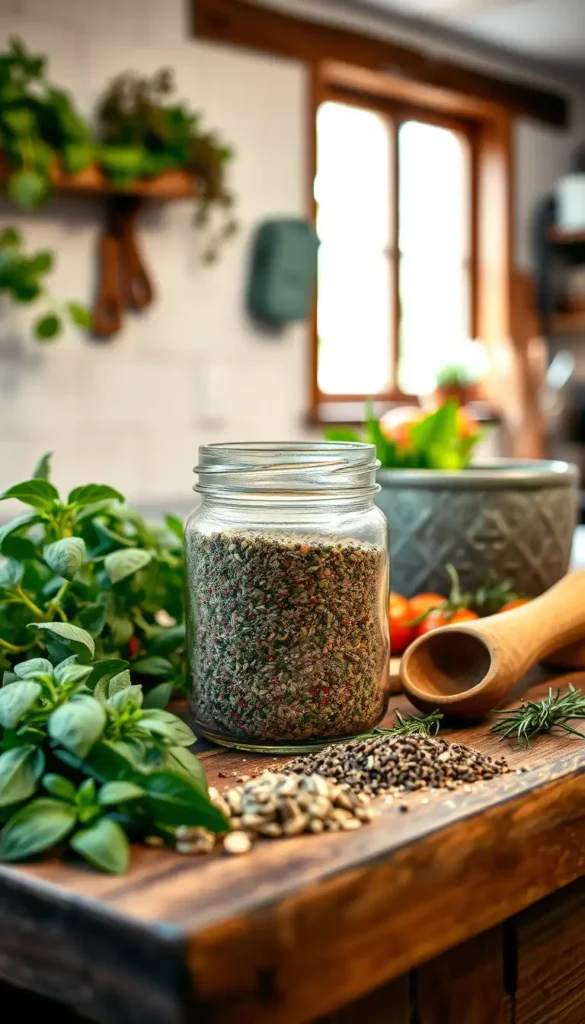
Proper storage is key to keeping your seasoning fresh:
- Container: Use an airtight glass jar or spice container.
- Location: Store in a cool, dark cabinet away from sunlight and moisture.
- Shelf Life: Freshly made Italian seasoning lasts up to 6 months. For best flavor, use within 3–4 months.
Variations of Italian Seasoning
You can tweak your blend to match your culinary preferences:
- Spicy Italian Seasoning: Add ½ teaspoon red pepper flakes or cayenne pepper.
- Garlic Italian Seasoning: Mix in 1 teaspoon garlic powder for extra aroma.
- Italian Herb Blend for Meat: Increase rosemary and thyme for robust meat dishes.
Experimenting with ratios lets you create a signature blend that reflects your taste.
Health Benefits of Italian Herbs
Aside from flavor, herbs in Italian seasoning have health benefits:
- Basil: Anti-inflammatory and rich in antioxidants.
- Oregano: Contains antibacterial properties and supports digestion.
- Thyme: Boosts immunity and respiratory health.
- Rosemary: Supports memory and circulation.
- Sage: May help improve brain function and digestion.
Sprinkling Italian seasoning on your dishes not only enhances flavor but also adds a nutritious punch.
Frequently Asked Questions (FAQs)
Q: Can I use fresh herbs instead of dried?
A: Yes, but fresh herbs are more potent. Use roughly three times the amount of fresh herbs to match dried herbs’ flavor.
Q: Can I make a large batch of Italian seasoning?
A: You can, but herbs lose potency over time. Small batches ensure fresher flavor.
Q: Does Italian seasoning contain salt?
A: Traditional blends do not contain salt unless added. This allows you to control sodium in your dishes.
Q: Can I use this seasoning in non-Italian dishes?
A: Absolutely! It works well in roasted potatoes, grilled chicken, soups, and even salad dressings.
Conclusion
Making your own Italian seasoning is simple, cost-effective, and delicious. With just a few dried herbs, you can create a versatile blend that elevates everyday dishes to authentic Italian meals. From pasta and pizza to soups and roasted vegetables, this seasoning becomes your kitchen staple. Plus, knowing exactly what’s in your seasoning means no preservatives, no hidden salts—just pure flavor.
Try this Italian seasoning recipe today and enjoy the satisfaction of creating your own signature blend. Once you taste the difference, store-bought mixes will never feel the same again.