Lemon Balm Tea is one of those gentle herbal drinks that feels like a warm hug in a cup. Known for its light lemony aroma, calming effects, and impressive health benefits, this tea has been enjoyed for centuries across Europe, the Middle East, and Asia. Whether you’re sipping it to relax after a long day, improve digestion, or support better sleep, Lemon Balm Tea is simple, soothing, and incredibly versatile.
In this guide, you’ll learn everything about Lemon Balm Tea—from its benefits and brewing tips to multiple easy recipes you can make at home using fresh or dried leaves.
What Is Lemon Balm Tea?
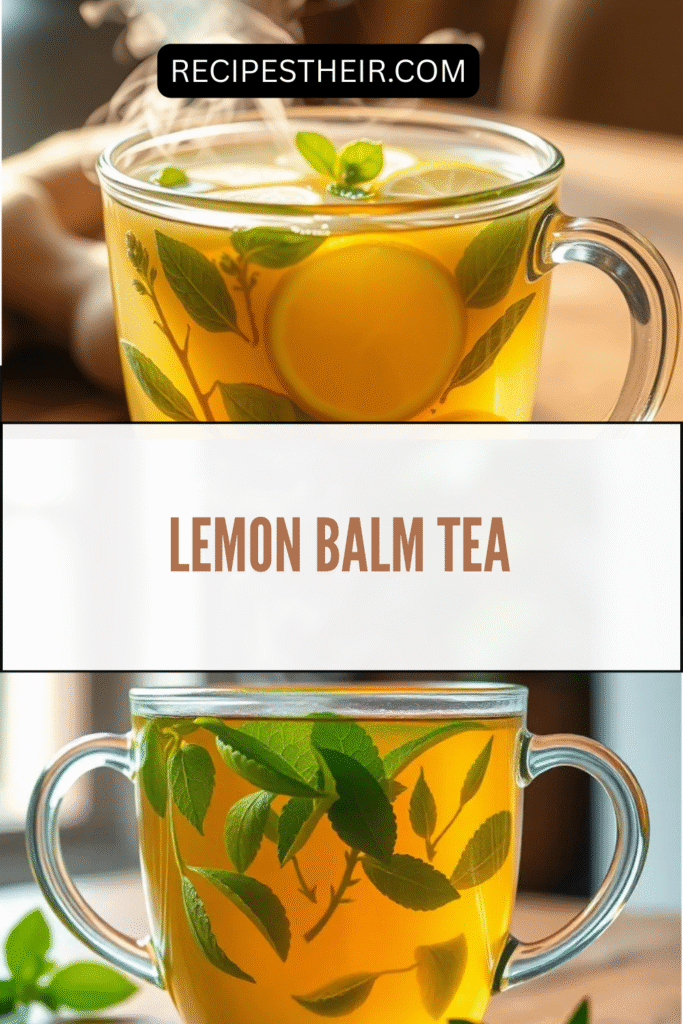
Lemon balm (Melissa officinalis) is a fragrant herb from the mint family. It has soft green leaves and a natural citrus scent that makes it perfect for herbal tea. When steeped in hot water, lemon balm releases mild lemon notes with subtle sweetness, creating a refreshing yet calming drink.
Lemon Balm Tea is naturally caffeine-free, making it an excellent option for evenings, stress relief, or anyone avoiding stimulants.
Health Benefits of Lemon Balm Tea
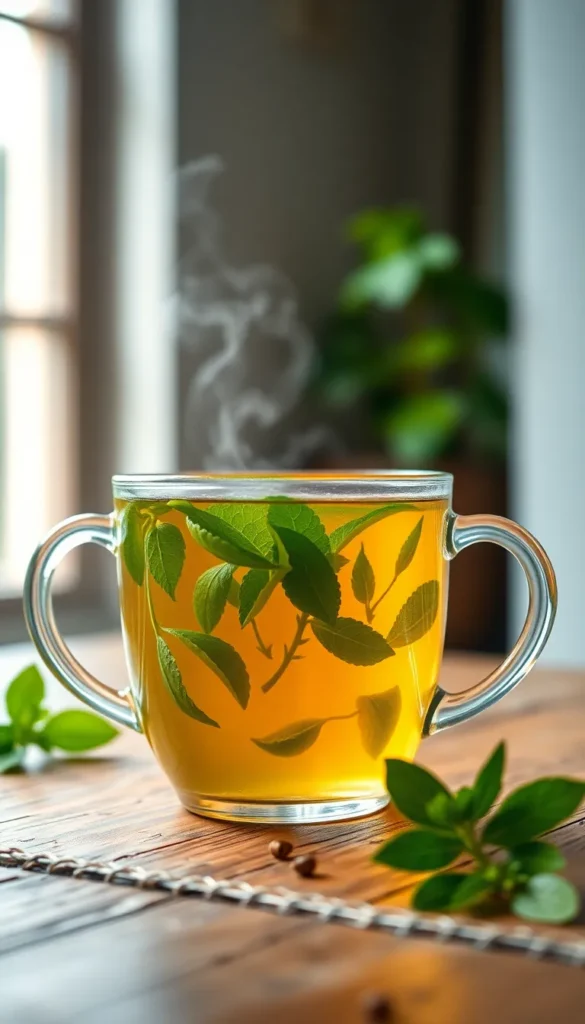
Lemon Balm Tea isn’t just tasty—it’s packed with natural wellness benefits that have been supported by traditional use and modern research.
Reduces Stress and Anxiety
One of the most popular reasons people drink Lemon Balm Tea is for relaxation. The herb contains natural compounds that help calm the nervous system, reduce anxiety, and promote a sense of peace without causing drowsiness.
Supports Better Sleep
Drinking Lemon Balm Tea before bedtime can help improve sleep quality. It’s often used as a natural sleep aid, especially when combined with herbs like chamomile or lavender.
Aids Digestion
Lemon Balm Tea helps soothe the digestive system. It can reduce bloating, gas, and mild stomach cramps, making it a great after-meal tea.
Boosts Brain Function
Traditionally, lemon balm has been associated with improved memory and concentration. A warm cup of Lemon Balm Tea may help enhance mental clarity and focus.
Strengthens the Immune System
Thanks to its antioxidant and antiviral properties, Lemon Balm Tea may help support immune health, especially during seasonal changes.
How to Make Lemon Balm Tea (Basic Recipe)
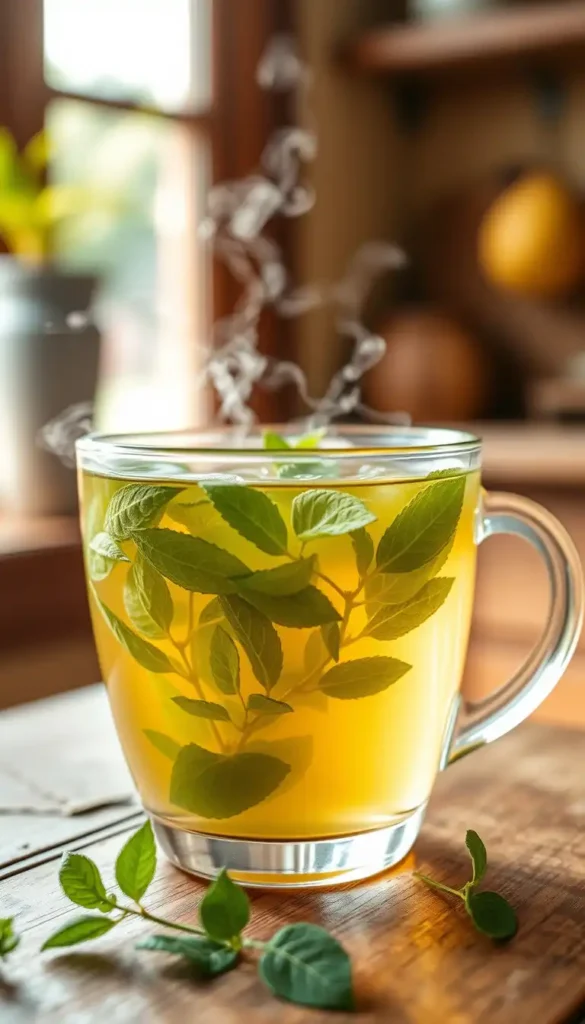
This simple recipe is the foundation for all Lemon Balm Tea variations.
Ingredients
- 1 tablespoon fresh lemon balm leaves (or 1 teaspoon dried)
- 1 cup hot water (not boiling)
Instructions
- Rinse fresh lemon balm leaves gently.
- Place the leaves in a cup or teapot.
- Pour hot water over the leaves.
- Cover and steep for 5–10 minutes.
- Strain and enjoy warm.
Tip: Covering the cup while steeping helps preserve essential oils and flavor.
Fresh vs Dried Lemon Balm for Tea
Both fresh and dried lemon balm work beautifully, but each has its own character.
Fresh Lemon Balm Tea
- Brighter flavor
- Stronger lemon aroma
- Best during growing season
Dried Lemon Balm Tea
- Convenient and shelf-stable
- Slightly milder taste
- Ideal for daily use
For the best experience, use organic lemon balm whenever possible.
Lemon Balm Tea Recipes You’ll Love
Below are flavorful and practical Lemon Balm Tea recipes you can enjoy any time of day.
Classic Lemon Balm Tea with Honey
A comforting, everyday recipe.
Ingredients
- Lemon balm leaves
- Hot water
- Raw honey (to taste)
Method
Prepare Lemon Balm Tea using the basic recipe and stir in honey while warm. This version is perfect for sore throats and relaxation.
Lemon Balm and Chamomile Tea for Sleep

This blend is a nighttime favorite.
Ingredients
- 1 teaspoon dried lemon balm
- 1 teaspoon dried chamomile
- 1 cup hot water
Method
Steep both herbs together for 8–10 minutes. Drink 30 minutes before bedtime for deeper relaxation.
Iced Lemon Balm Tea for Summer

Refreshing and hydrating.
Ingredients
- 2 tablespoons fresh lemon balm
- 2 cups hot water
- Ice cubes
- Lemon slices
Method
Brew a strong Lemon Balm Tea, let it cool, then pour over ice. Add lemon slices for extra freshness.
Lemon Balm and Mint Tea
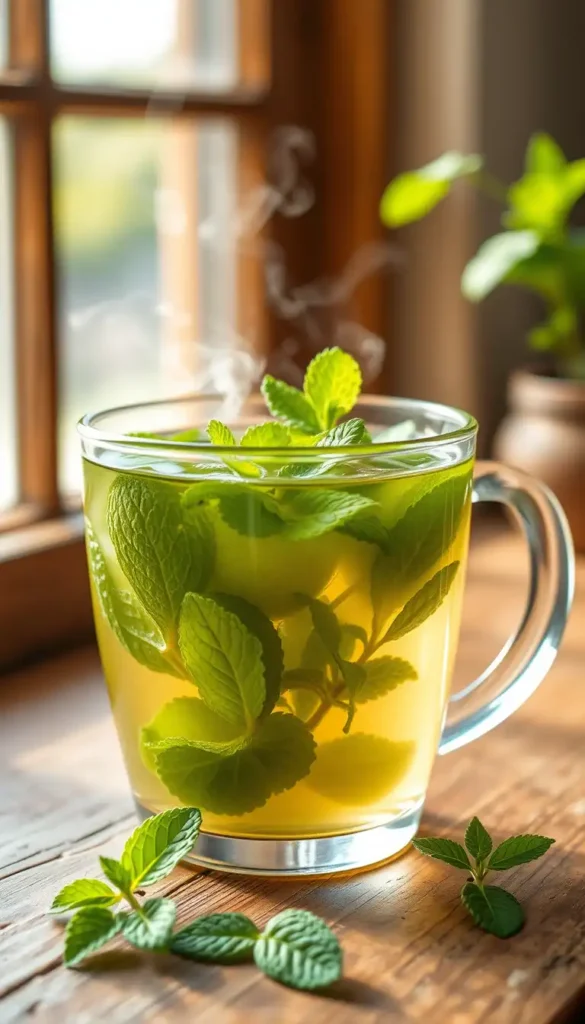
Bright, cooling, and digestive-friendly.
Ingredients
- Lemon balm leaves
- Fresh mint leaves
- Hot water
Method
Steep both herbs together for 5–7 minutes. This tea is excellent after meals.
Lemon Balm Ginger Tea for Immunity
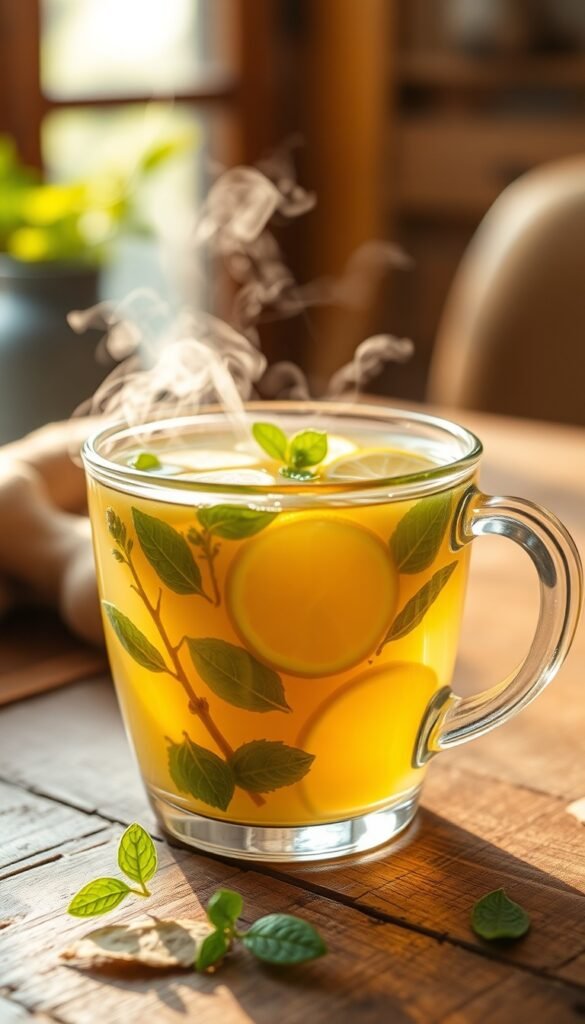
Warming and soothing.
Ingredients
- Lemon balm leaves
- Fresh ginger slices
- Hot water
Method
Steep lemon balm and ginger together for 10 minutes. Strain and enjoy during cold weather.
Lemon Balm Tea with Lemon Peel
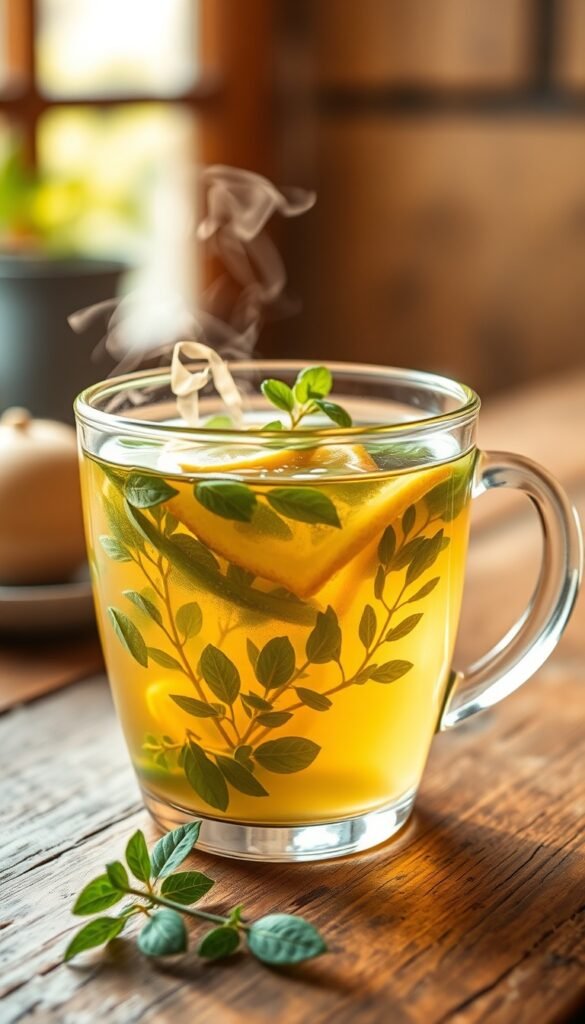
Enhances citrus flavor naturally.
Ingredients
- Lemon balm leaves
- Fresh lemon peel (no white pith)
- Hot water
Method
Add lemon peel to your Lemon Balm Tea while steeping. Avoid bottled lemon juice for the best flavor.
Best Time to Drink Lemon Balm Tea

- Morning: Light mental clarity without caffeine
- Afternoon: Stress relief and digestion support
- Evening: Relaxation and better sleep
Lemon Balm Tea is gentle enough to drink 1–3 cups daily.
How to Store Lemon Balm for Tea
Fresh Leaves
- Wrap in a damp paper towel
- Store in the fridge
- Use within 5–7 days
Dried Leaves
- Store in an airtight glass jar
- Keep away from sunlight
- Use within 6–12 months
Does Lemon Balm Tea Have Side Effects?
Lemon Balm Tea is generally safe for most people. However:
- Pregnant or breastfeeding individuals should consult a doctor
- Those with thyroid conditions should use it moderately
Always start with small amounts if trying it for the first time.
Why Lemon Balm Tea Is Worth Adding to Your Daily Routine
Lemon Balm Tea is simple, affordable, and deeply nourishing. It supports mental calm, digestive comfort, and overall wellness—without caffeine or artificial ingredients. Whether hot or iced, plain or blended, this tea fits beautifully into any lifestyle.
Final Thoughts on Lemon Balm Tea
If you’re looking for a natural, soothing herbal drink, Lemon Balm Tea is an excellent choice. Easy to prepare and endlessly customizable, it’s a timeless recipe that belongs in every kitchen. Brew a cup, take a deep breath, and let this gentle herb do its magic. 🍃☕