Slow Cooker Garlic Herb Pork Roast
Description
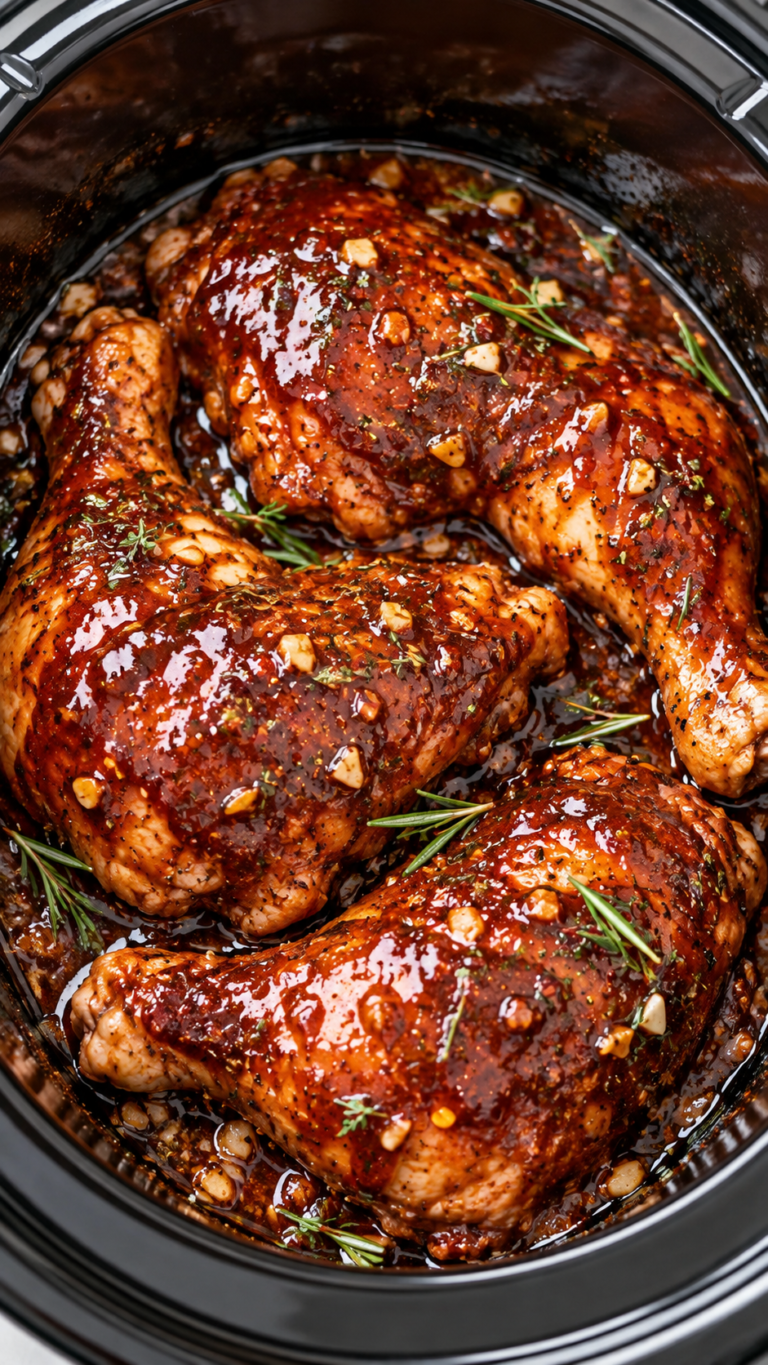
Slow Cooker Garlic Herb Pork Roast is a tender, juicy, and flavorful comfort-food recipe made with a marbled pork roast, fresh garlic, rosemary, thyme, paprika, and a simple savory herb marinade. Slow cooking allows the pork to become incredibly tender while the garlic and herbs infuse the meat with rich flavor. The result is a satisfying family dinner that requires minimal hands-on preparation.
This pork roast is perfect for busy weeknights, Sunday dinner, holidays, or meal prep. The flavorful juices left in the slow cooker can also be transformed into a simple gravy to spoon over the sliced pork. Serve it with mashed potatoes, roasted vegetables, green beans, carrots, or a fresh salad for a complete meal.
Ingredients For the Pork Roast
3–4 pounds boneless pork shoulder or pork roast
2 tablespoons olive oil
1½ teaspoons salt
1 teaspoon black pepper
1 teaspoon smoked paprika
1 teaspoon garlic powder
1 teaspoon onion powder
1 teaspoon dried Italian seasoning
½ teaspoon dried thyme
½ teaspoon dried rosemary
For the Garlic Herb Sauce
5 cloves garlic, minced
1 cup low-sodium chicken broth
2 tablespoons honey
1 tablespoon Dijon mustard
1 tablespoon apple cider vinegar
1 tablespoon Worcestershire sauce
2 tablespoons olive oil
2 sprigs fresh rosemary
3–4 sprigs fresh thyme
Optional Vegetables
1 large yellow onion, sliced
3 carrots, cut into chunks
1 pound baby potatoes, halved
Step-by-Step Instructions
- Pat the pork roast dry with paper towels. Removing excess moisture helps the seasonings stick to the meat and allows the roast to develop better flavor.
- In a small bowl, combine salt, black pepper, smoked paprika, garlic powder, onion powder, Italian seasoning, thyme, and dried rosemary. Rub the seasoning mixture generously over every side of the pork roast.
- Heat olive oil in a large skillet over medium-high heat. Carefully place the seasoned pork roast into the skillet and sear it for about 2–3 minutes on each side. Searing is optional, but it adds a deeper roasted flavor and a beautiful browned exterior.
- Place the sliced onion, carrots, and baby potatoes in the bottom of the slow cooker if using them. Arrange the seasoned pork roast on top of the vegetables.
- In a bowl, whisk together minced garlic, chicken broth, honey, Dijon mustard, apple cider vinegar, Worcestershire sauce, and olive oil until well combined.
- Pour the garlic herb mixture around and over the pork roast. Add the fresh rosemary and thyme to the slow cooker.
- Cover with the lid and cook on LOW for 7–8 hours or until the pork is tender and reaches a safe internal temperature. Cooking time can vary depending on the size and cut of the roast.
- Carefully remove the pork from the slow cooker and place it on a cutting board. Let it rest for approximately 10–15 minutes before slicing. Resting allows the juices to redistribute throughout the meat.
- Remove the rosemary and thyme stems from the cooking liquid. Taste the juices and adjust the seasoning if necessary.
- For a thicker gravy, transfer some of the cooking liquid to a saucepan. Mix 1 tablespoon cornstarch with 2 tablespoons cold water, whisk it into the liquid, and simmer until thickened.
- Slice or shred the pork depending on the texture you prefer. Spoon some of the flavorful garlic herb juices over the meat before serving.
- Serve the pork roast with the cooked vegetables and your favorite side dishes. Garnish with fresh parsley or additional rosemary for a beautiful finishing touch.
Tips & Notes
Choose a pork shoulder or well-marbled pork roast for the most tender result. The natural marbling helps keep the meat moist during the long cooking process.
Searing the pork before slow cooking is optional, but it adds extra depth of flavor. If you are short on time, you can skip the searing step and place the seasoned pork directly into the slow cooker.
Do not add excessive liquid to the slow cooker. The pork releases additional juices as it cooks, so the small amount of broth in this recipe is enough to create a flavorful cooking environment without making the roast watery.
For a sweeter flavor, increase the honey slightly. For a more savory version, reduce the honey and add an extra teaspoon of Dijon mustard.
If you want a stronger garlic flavor, add a few whole garlic cloves around the pork while it cooks. Fresh rosemary and thyme provide the best flavor, but dried herbs can be used when fresh herbs are unavailable.
For food safety, use a meat thermometer to check the thickest part of the pork. Whole pork roasts should reach at least 145°F (63°C) followed by a rest period. If you are cooking the roast until it becomes very tender and shreddable, it will generally be cooked to a higher internal temperature.
Q&A
Can I use pork loin instead of pork shoulder?
Yes, but pork loin is leaner and can become dry if overcooked. Check it earlier with a meat thermometer and avoid cooking it for longer than necessary.
Can I make this pork roast without searing?
Yes. Searing is optional. The slow cooker will still produce a flavorful roast, although searing adds a deeper browned flavor.
Can I add potatoes and carrots?
Absolutely. Potatoes, carrots, and onions work especially well because they absorb the garlic herb cooking juices.
How do I make gravy from the cooking liquid?
Strain the cooking liquid and simmer it in a saucepan. Add a cornstarch slurry made with cornstarch and cold water, then simmer until the gravy thickens.
How should I store leftovers?
Place cooled pork in an airtight container and refrigerate within two hours. Store for approximately 3–4 days and reheat thoroughly before serving.
Can I freeze the cooked pork?
Yes. Allow the pork to cool completely, place it in freezer-safe containers or bags, and freeze for up to approximately 2–3 months for best quality.
Servings
This recipe makes approximately 6–8 servings, depending on the size of the pork roast and portion sizes. It is ideal for family dinners, Sunday meals, gatherings, or meal preparation. Leftover pork can also be used in sandwiches, wraps, tacos, bowls, or salads.
Nutrition
Each serving contains approximately 400–500 calories, depending on the size and fat content of the pork roast and whether vegetables or gravy are included. A serving provides approximately 40–50 grams of protein, making this a satisfying and protein-rich main course.
Pork provides high-quality protein along with nutrients such as vitamin B12, zinc, selenium, and other B vitamins. The vegetables add fiber, vitamins, minerals, and additional flavor. Nutrition values are estimates and can vary depending on the specific cut of pork, ingredients, serving size, and optional additions used.